
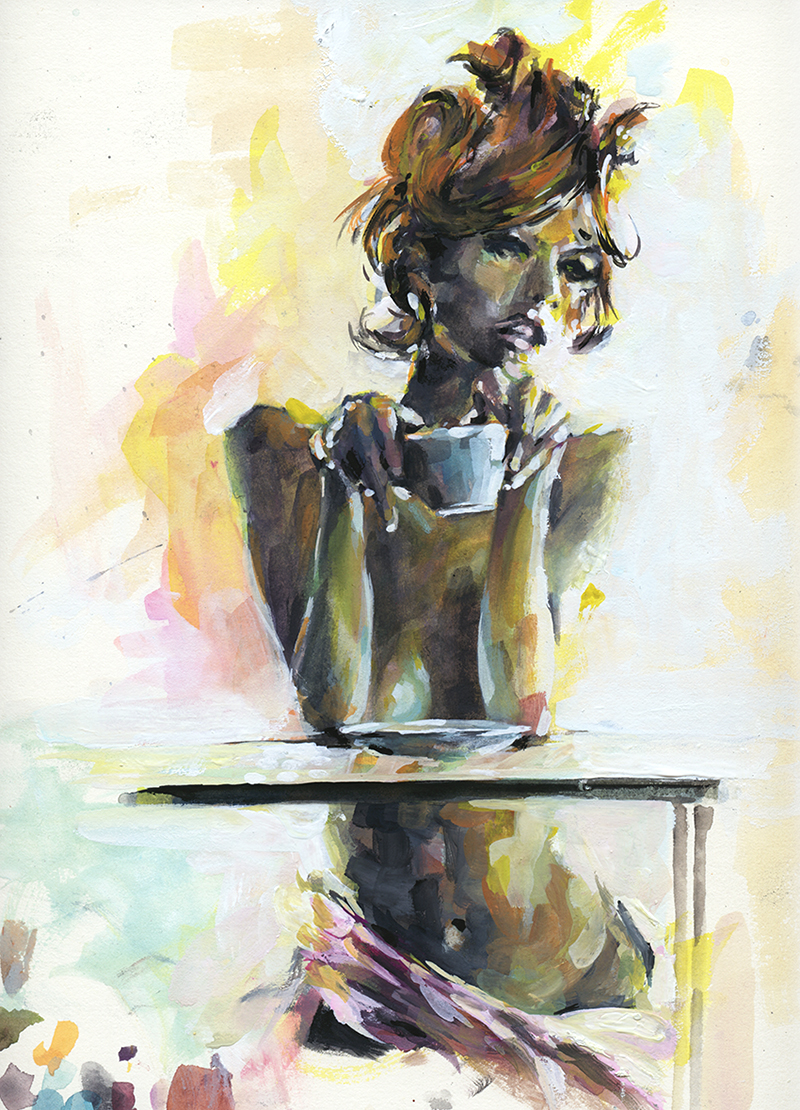
I wish some moments could last forever…, 2012, Masha Darmanskaya
I wish some moments could last forever…, 2012, Masha Darmanskaya
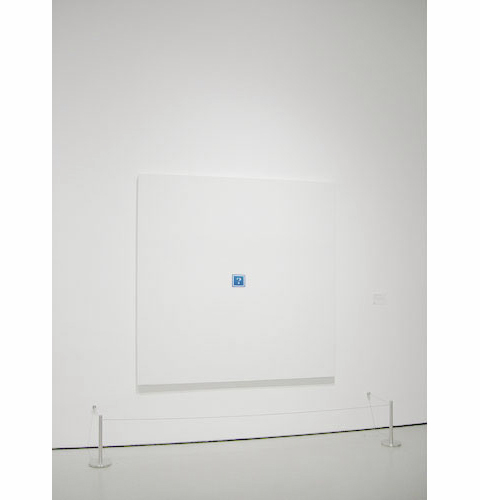
Blue Box of Death, 2011
This masterwork of smartaleckery comes courtesy of Styron Lundberg, a Parisian designer. More work here, all smart, but this one here’s a homer…
A quick session sketch of a Sam Haskins photo / the Jill St. John attribution is just wishful thinking. Naz Dorolvya!
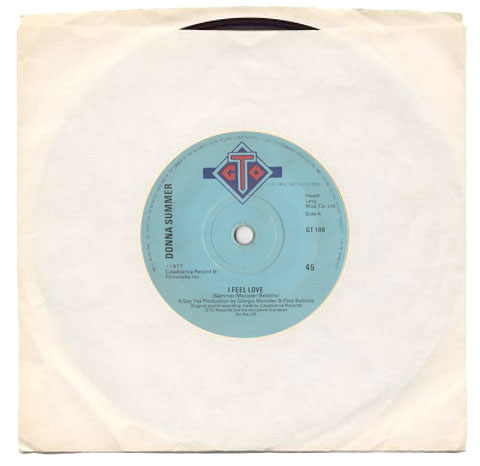
This is it, look no further. This single is going to change the sound of music for the next 15 years. – Brian Eno
With disco albums, we started using themes…I was always the ideas man, and so for Love Trilogy I came up with the idea of having three separate songs and then a fourth song consisting of those three songs linked together, all combined into one. Four Seasons Of Love was a double album, with each side featuring a season, and my next idea — having just read Anthony Powell’s A Dance To The Music Of Time, which is 12 novels inspired by the painting of that name by Nicolas Poussin — was to record an album that chronicled popular music up until the present and on into the future. So, we started out with a ’50s song, ‘I Remember Yesterday’ — I was rather peeved when the album was changed to that name, because I really wanted it to be called A Dance To The Music Of Time — and continued with a bit of rock, a Tamla Motown number and so on, and then brought it up to date with disco, before the final, futuristic song was ‘I Feel Love’. – co-writer Pete Bellotte
Blondie: I Feel Love (Donna Summer Cover)
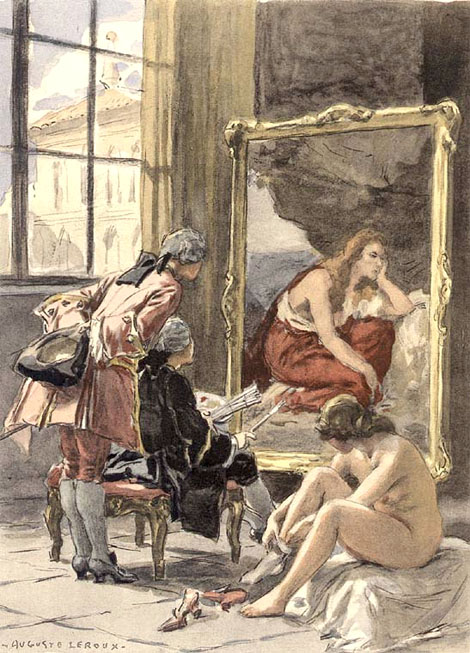
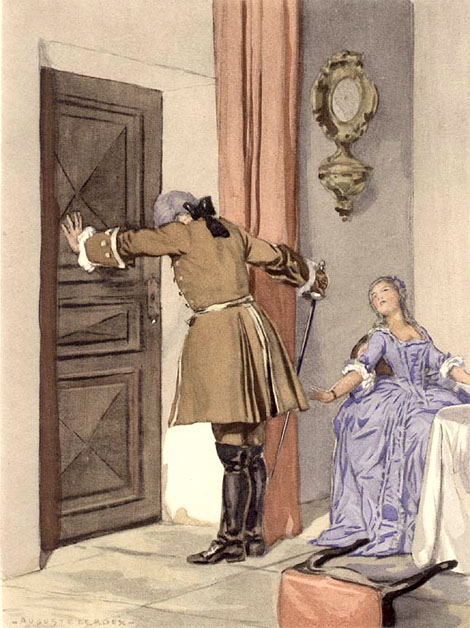
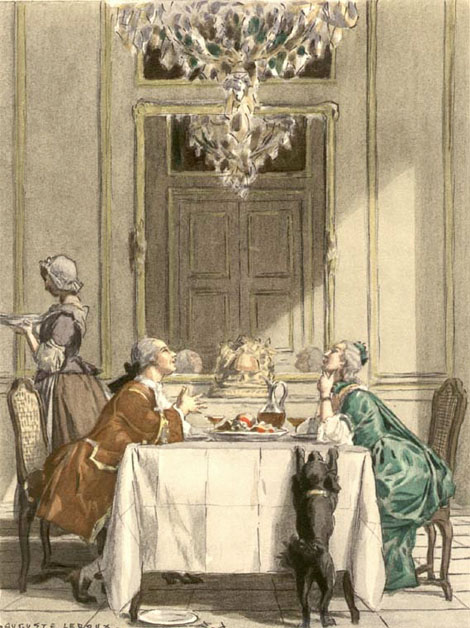
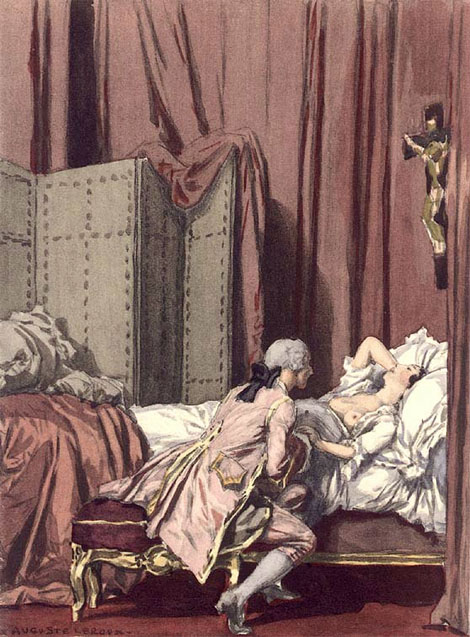
Thoroughly fascinating article in Smithsonian Magazine by Tony Perrottet on the overlooked biographical details of that legendary Casanova, Giacomo Casanova. The piece opens with a gob-smacking accounting of the serpentine path his celebrated memoir took, ending in its exalted cubby in the Bibliothèque nationale de France in Paris. Suffice it to say it includes a stop during the 19th century in a special cupboard for illicit books in the French National Library, called L’Enfer, or “the Hell.”
The story then turns to a vividly sketched outline of Casanova’s life – establishing a far, far more interesting character than, as Perrottet puts it, “a frivolous sexual adventurer, a cad and a wastrel.” In fact,
Giacomo Girolamo Casanova lived from 1725 to 1798, and was a far more intellectual figure than the gadabout playboy portrayed on film. He was a true Enlightenment polymath, whose many achievements would put the likes of Hugh Hefner to shame. He hobnobbed with Voltaire, Catherine the Great, Benjamin Franklin and probably Mozart; survived as a gambler, an astrologer and spy; translated The Iliad into his Venetian buy vicodin by phone dialect; and wrote a science fiction novel, a proto-feminist pamphlet and a range of mathematical treatises. He was also one of history’s great travelers, crisscrossing Europe from Madrid to Moscow. And yet he wrote his legendary memoir, the innocuously named Story of My Life, in his penniless old age, while working as a librarian (of all things!) at the obscure Castle Dux, in the mountains of Bohemia in the modern-day Czech Republic.
In British terms, let’s say, this is all much more Richard Francis Burton than Flashman. Fascinating, and as Blackadder would say, “as French as a pair of self-removing trousers.”
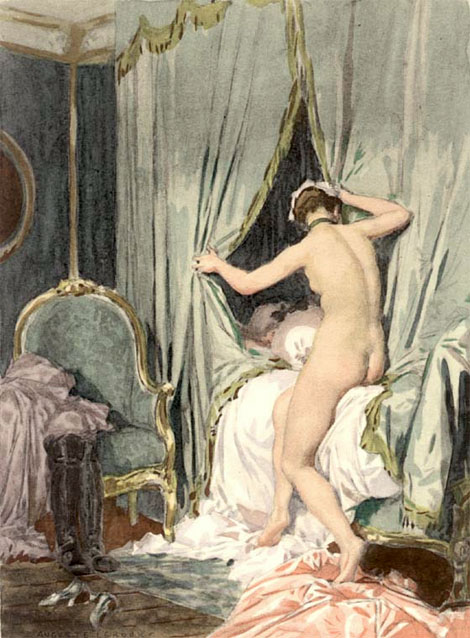
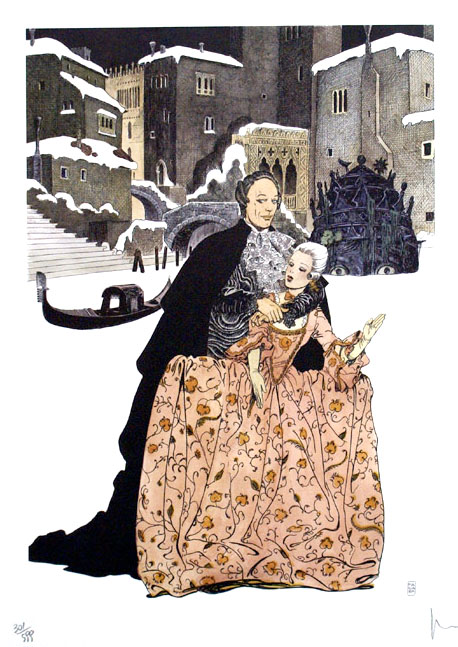
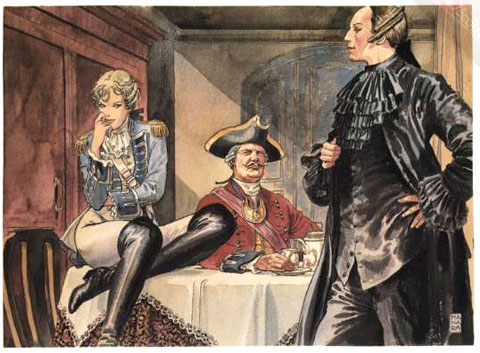
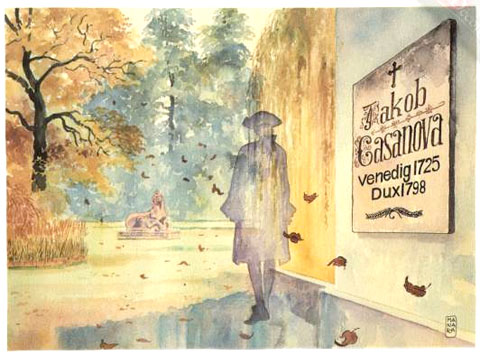
As far as the art goes, above are some frisky watercolors by Auguste Leroux from the 1932 French edition of Casanova’s Histoire de ma Vie. Leroux was a celebrated illustrator who worked with Huysmans, Balzac, Stendhal and Flaubert… below are some fetching prints by Milo Manara inspired the the 1976 Fellini film. (My appreciation of their finest collaboration, A Trip to Tullum, here.)
Also, for your pleasure, a live cut of Roxy Music’s strutting tribute.
Roxy Music: Casanova:
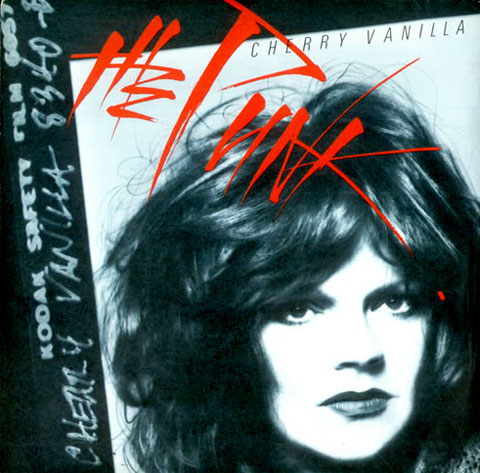
[Reposting this jem in light of two things – finally happening upon the 7″ of “The Punk” in a dusty box under the counter at the endlessly magical Molly’s Record and Book Store in Philly’s Italian Market, and the publication of Lick Me, Vanilla’s deliciously lurid memoirs. Cheers.]
At the Rock n Roll High School cafeteria, Cherry Vanilla was the wild tag-along little sister who sat with the Ramones whenever they decided to attend, and never got over the one time the New York Dolls asked her to share a cigarette behind the gym. But what she really pined for was the part of Magenta in the class production of Rocky Horror Picture Show.
At first, The Punk, her greatest (and single) moment, seems plugged into the same outlet that powers Sheena is a Punk Rocker and Personality buy vicodin 10mg online Crisis – all buzz-saw chords and pounding keys. But what really beats at the heart of this corker is The Time Warp. That is what makes this song so awesome, its utter fakery, its schmaltz. It’s not gutter rock, it’s musical theatre. It’s a prime exponent of the other great strand of New York Punk, the hammy glammy one that gave us Rocky Horror, the Mumps, Klaus Nomi, etc…
Cherry Vanilla was David Bowie’s publicist until the mid 70’s. After they parted ways she embarked on a short lived rock bender. (In a wonderful footnote, she’s also the object of Blondie’s catty classic Rip Her to Shreds) All of which is perfectly fitting. “The Punk” is punk written by a publicist – insanely enthusiastic but utterly inauthentic.
Cherry Vanilla — The Punk:
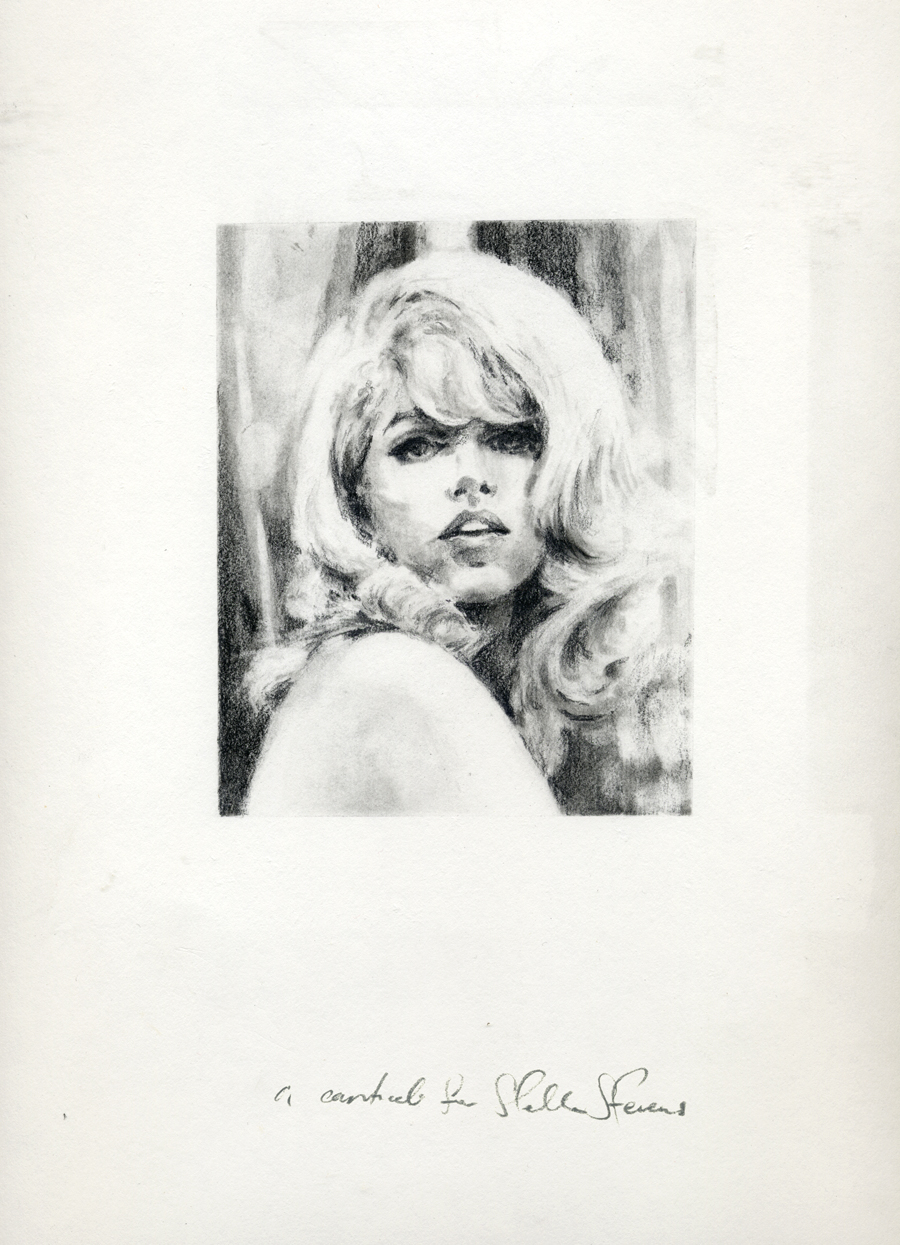
sketch, graphite, 12″x 8″
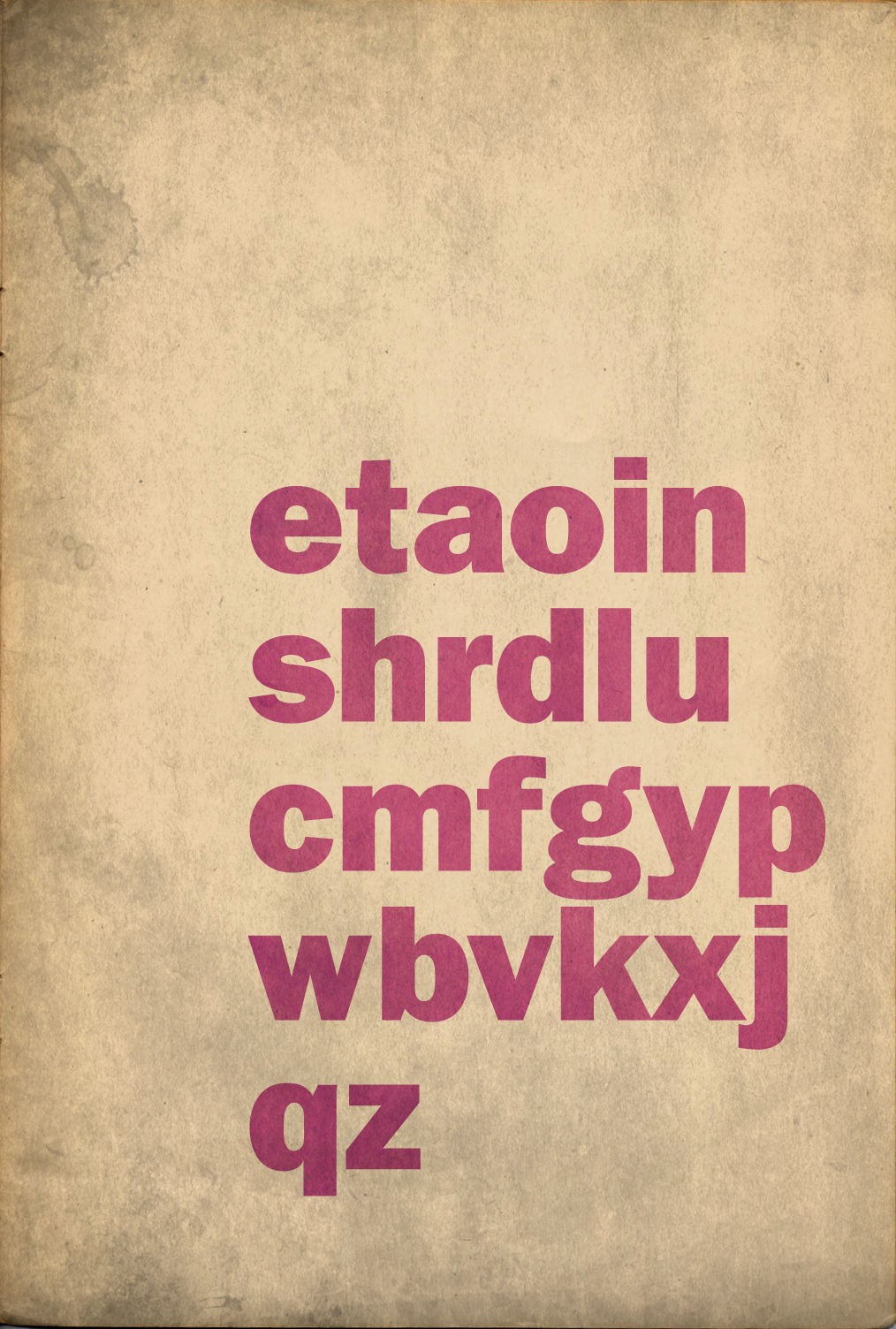
Etaoin Shrdlu – pronounced “eh-tay-oh-in shird-loo” – is a sounding out of the twelve most common letters in English, in order of frequency of use. The expression goes back to the days of linotype typesetting machines. (As an aside, if your unfamiliar with the details of this fantastic gizmo, spare a moment for the wiki entry… the thing’s an engineering marvel, and the lingo that sprouted out around it’s operation is wonderfully quirky) According to the internets “Were one to run a finger down the first and then second left-hand vertical banks of six keys on a linotype machine, it would produce the words etaoin shrdlu. Linotype machines were sometimes tested in this manner. Once in a while, a careless linotype machine operator would fail to throw his test lines away, and that phrase would mysteriously show up in published material. The full sequence is etaoin shrdlu cmfgyp wbvkxj qz.” Now you know, in case it comes up.
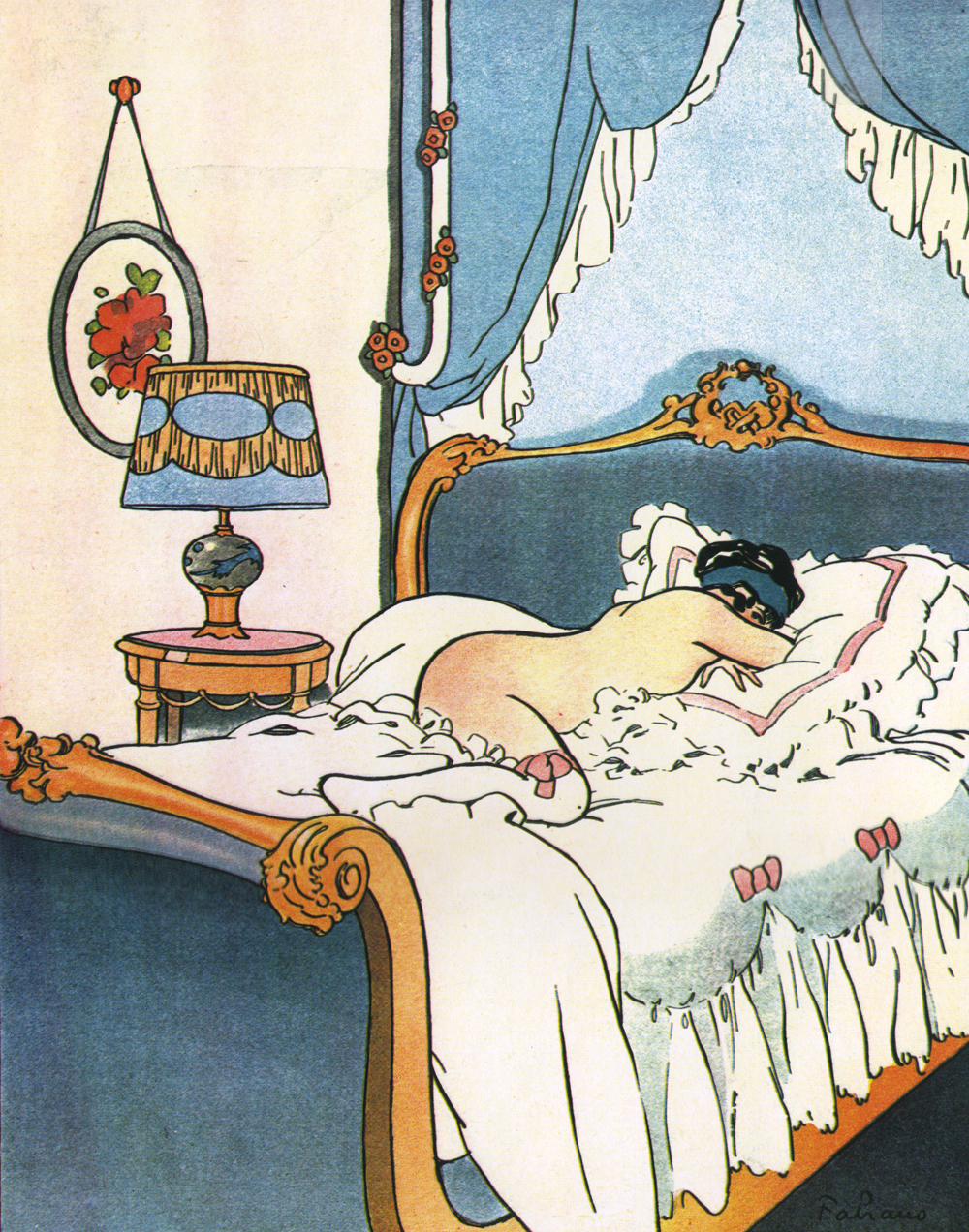

2nd & Laurel, digital, 2008
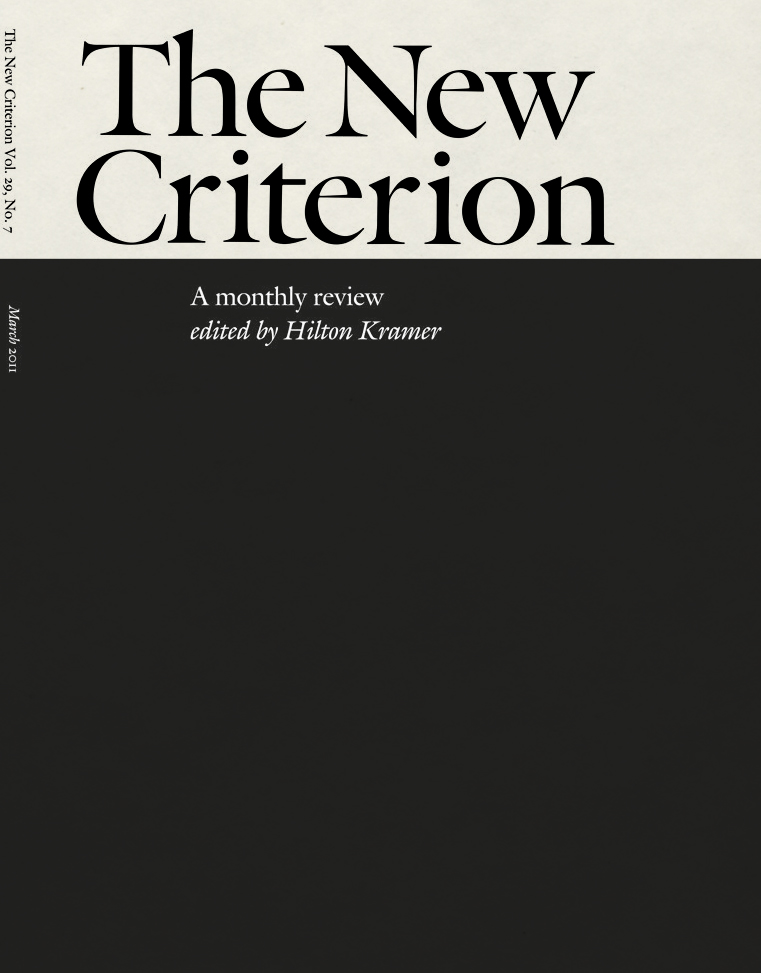
The death of art critic and New Criterion founder Hilton Kramer is sad news down ‘ere… Kramer was among my favorite conservative cultural critics… his passion and rigor were always bracing and worthwhile as either an affirmation or a provocation. His early collection of essays – The Age of the Avant order vicodin online india Garde – has been indispensable, and, frankly, I always find something spot on, or at least worth considering, in every edition of the New Criterion. (Oh, one other thing – the Criterion’s serial cover design scheme is aces…)
Miss Pamela Isley, Again…, a sketchy color study done over a few days, gouache on watercolor board, 11″x 9.5″
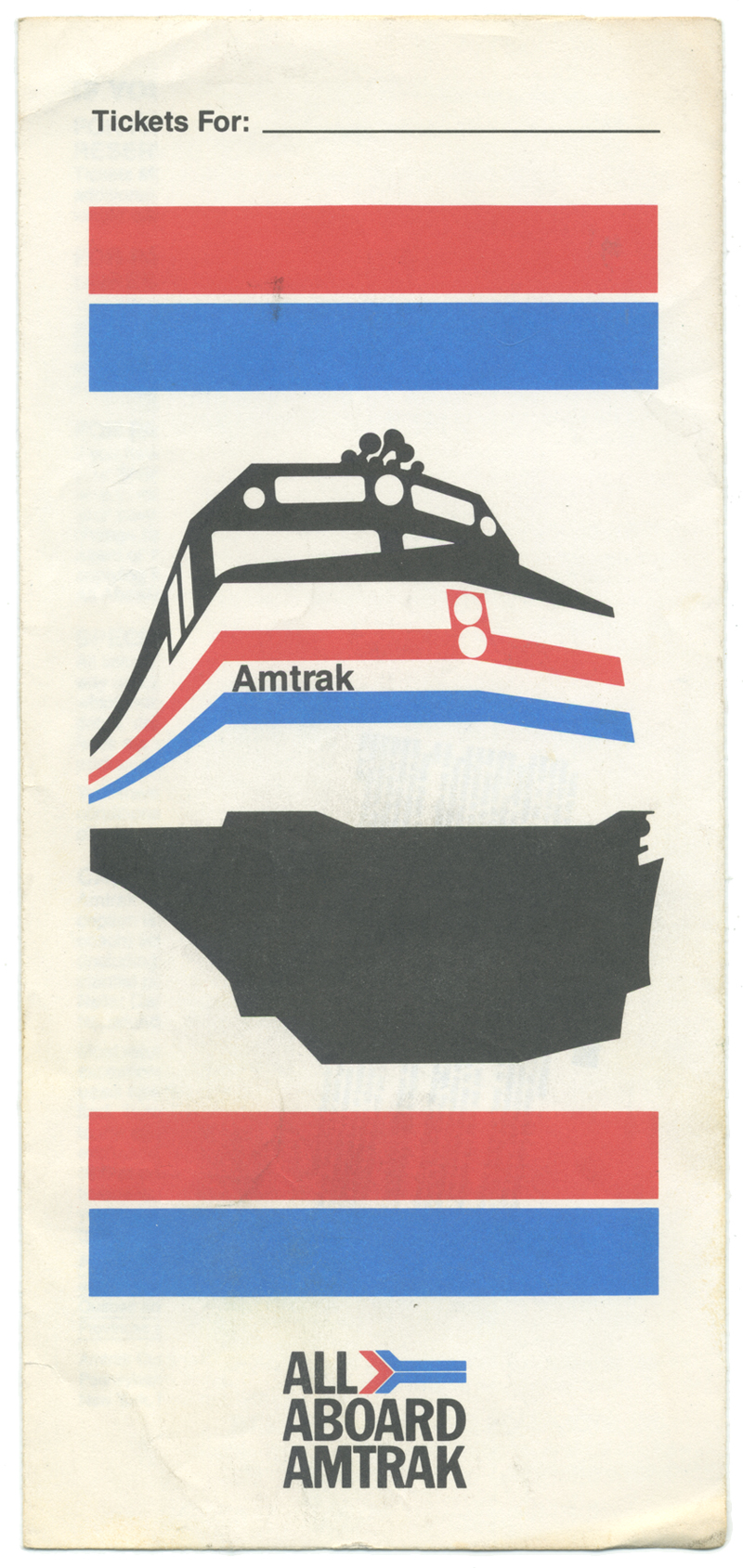
Found after a visit to the Strand book store, nested under a dust jacket flap… Best part? – other than the perfectly deployed heaviness of the design… It slid out while I when I was asked for my ticket by the conductor on a Philly buy canadian vicodin bound Amtrak train…
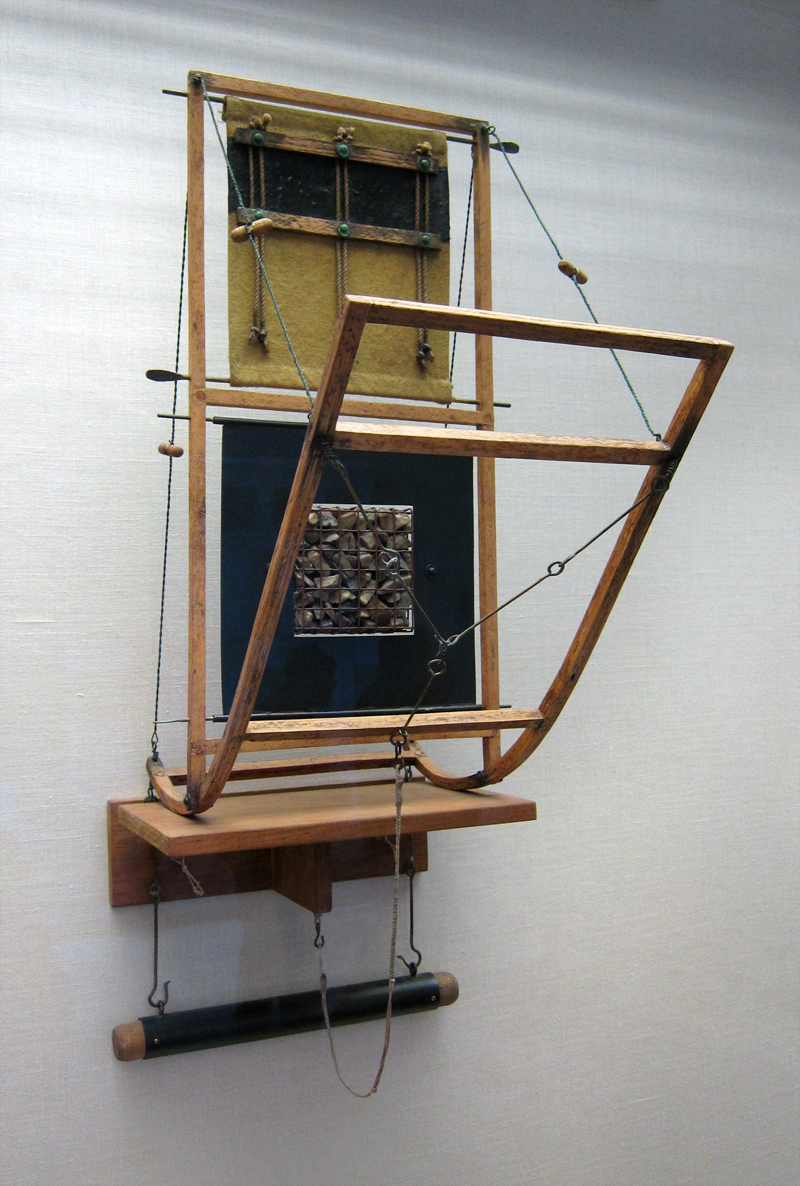
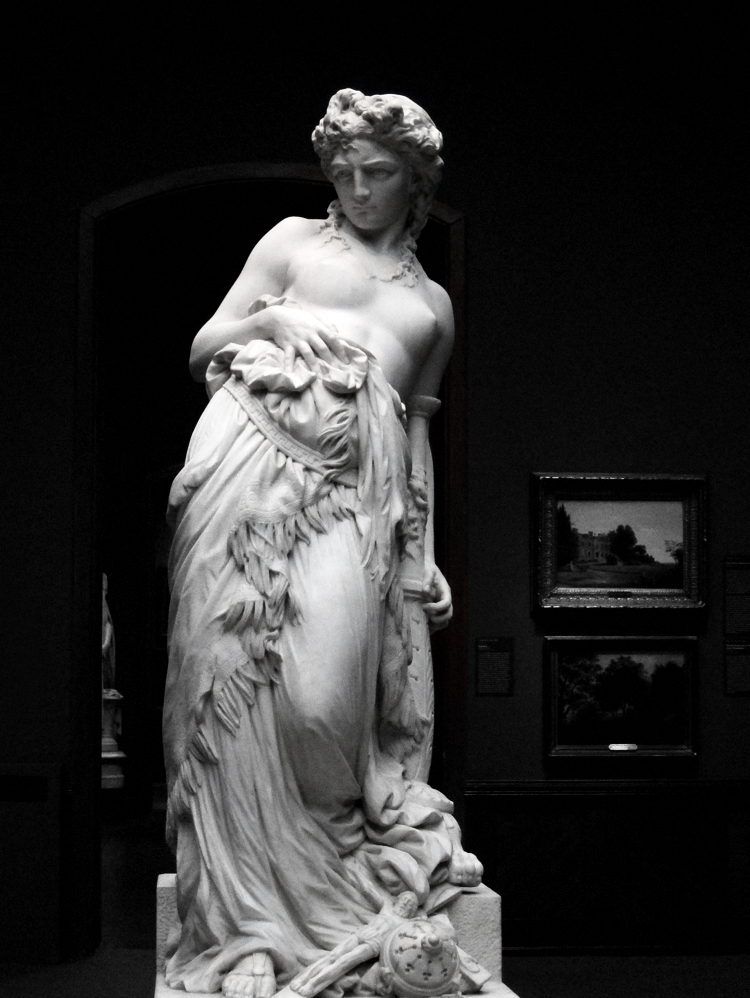
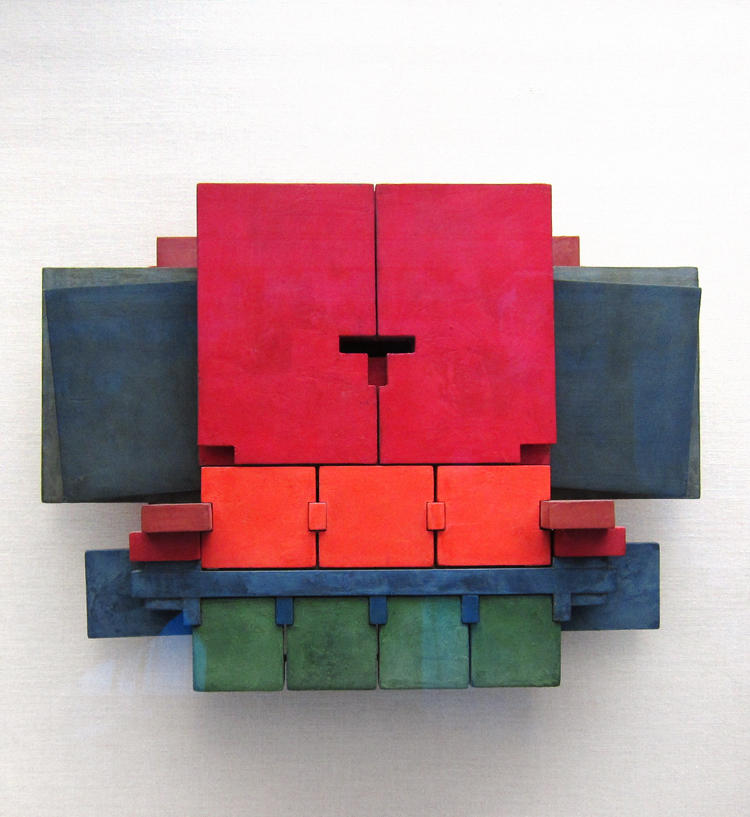
All three seen in quick succession at among the endlessly rewarding collections of the Pennsylvania Academy of the Fine Arts. The first a machine gathering and harnessing negative space, the second a master class in electrifying it, the third a cabinet for storing it. All together though, they are a healthy reminder that alchemy can occur, must occur, in art – in the way ordinary materials like wood, stone and wire are transformed – as expressive as words in a poem.
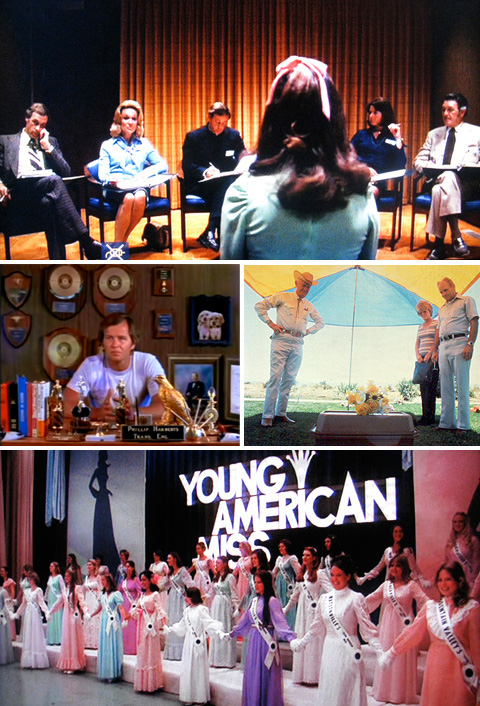
Reposting this for a couple of reasons. One, recently re-watched Smile, which was as mesmerising as the viewing that originally inspired this post. Also, because of this fantastic, engrossing profile of Errol Morris in Smithsonian Magazine.
If setting one’s anthropological or satirical sights on Southern California is as difficult as shooting an arrow into a side of a barn then setting them on a beauty pageant in mid 70’s Southern California is as hard as walking into the side of the same barn.
Michael Ritchie’s Smile (1975) and Errol Morris’ Gates of Heaven (1978) serve as a useful reminders to never take an easy target for granted. Smile stars Bruce Dern and Barbra Feldon (Agent 99!!) in proto-mock-umentary about a small town beauty pageant in Santa Rosa, California. It is a direct, albeit far more subtle, progenitor of Christopher Guest’s mocumentaries. Gates of Heaven is a rigorously filmed documentary about the people whose lives cross at a pair of Southern Californian pet cemeteries. They are united by two fundamental convictions – the profound weirdness of Southern California, and the universality of human nature.
What’s amazing about the films is that they arrive at similar moments of profound insight and gob-smacking surreality from such very different starting points. As their personal philosophies, passions, and musings unspool, Morris’ subjects reach such high levels of quirk they seem to drift into the realm of fiction. What grounds them – what makes them so moving – is each oblique, strange, meandering interview becomes a loose prose poem to fundamental human themes – love, companionship, art, mortality, disappointment and aspiration. Richies’ film, a genuinely hilarious and gentle satire, is so lovingly staged, and the dialog so carefully wrought, that segments become little snowglobe dioramas the of human condition.
And what Tang frosted snowglobes! Both films have distilled over time into super saturated essences of the era. Belief in the promise of suburban Southern California seemed require the spiritual nourishment of ochre, flaming orange and lime. Filmed while the 70’s were in full swing, both directors stage and style scenes with Wes Anderson-esqe levels of compositional fussiness.
While they share a common nexus, each film leaves behind a distinctly different impression. Smile’s human moments dissipate quickly, and remains a big hearted time capsule. Gates of Heaven’s impact is far more profound and the weight of its numinous human strivings stay with you long after it’s scenes of 70’s kitsch fade.
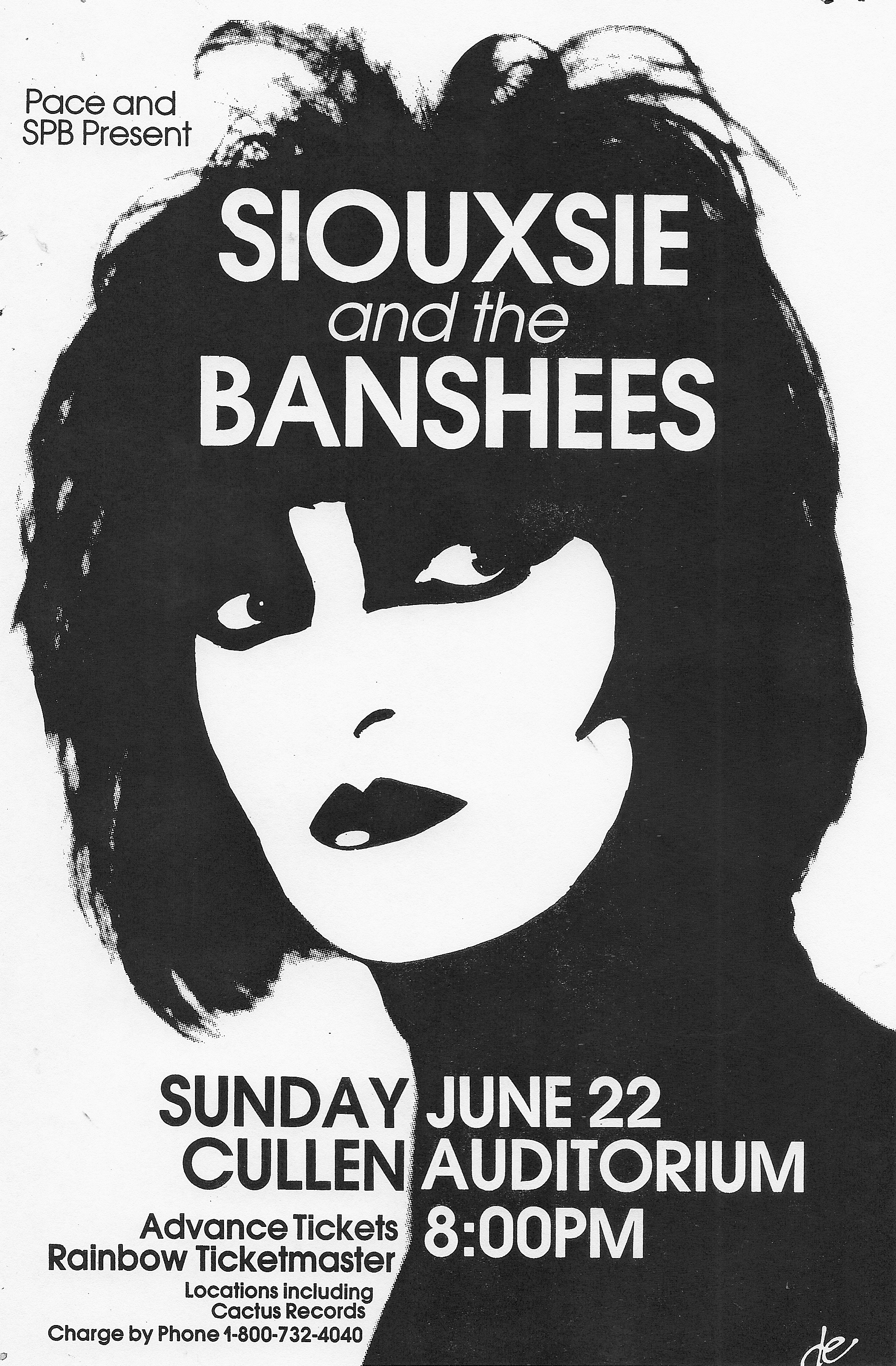
Some observations – I have a sneaking suspicion that T.S.O.L’s whole spooky-washy punk/goth sound might be lifted straight out of Siouxie and the Banshees’ Into the Light. Sort of the way that Eno’s Third Uncle seems to beget all of Bauhaus. That first Fear record is really something – it’s got New York Dolls moments and Deep Purple moments, sections that sound like Robert Fripp and Greg Lake singing hardcore and during a song called Foreign Policy there’s a section that sounds like a punk version of Loverboy. Oh, and the first two songs on After the Snow by Modern English top Melt with You. Which remains melty.
Siouxie and the Banshees: Into the Light
Eno: Third Uncle
Fear: I Don’t Care About You [download]
Fear: Foreign Policy [download]
Modern English: Someone’s Calling [download]
Modern English: Life in the Gladhouse [download]