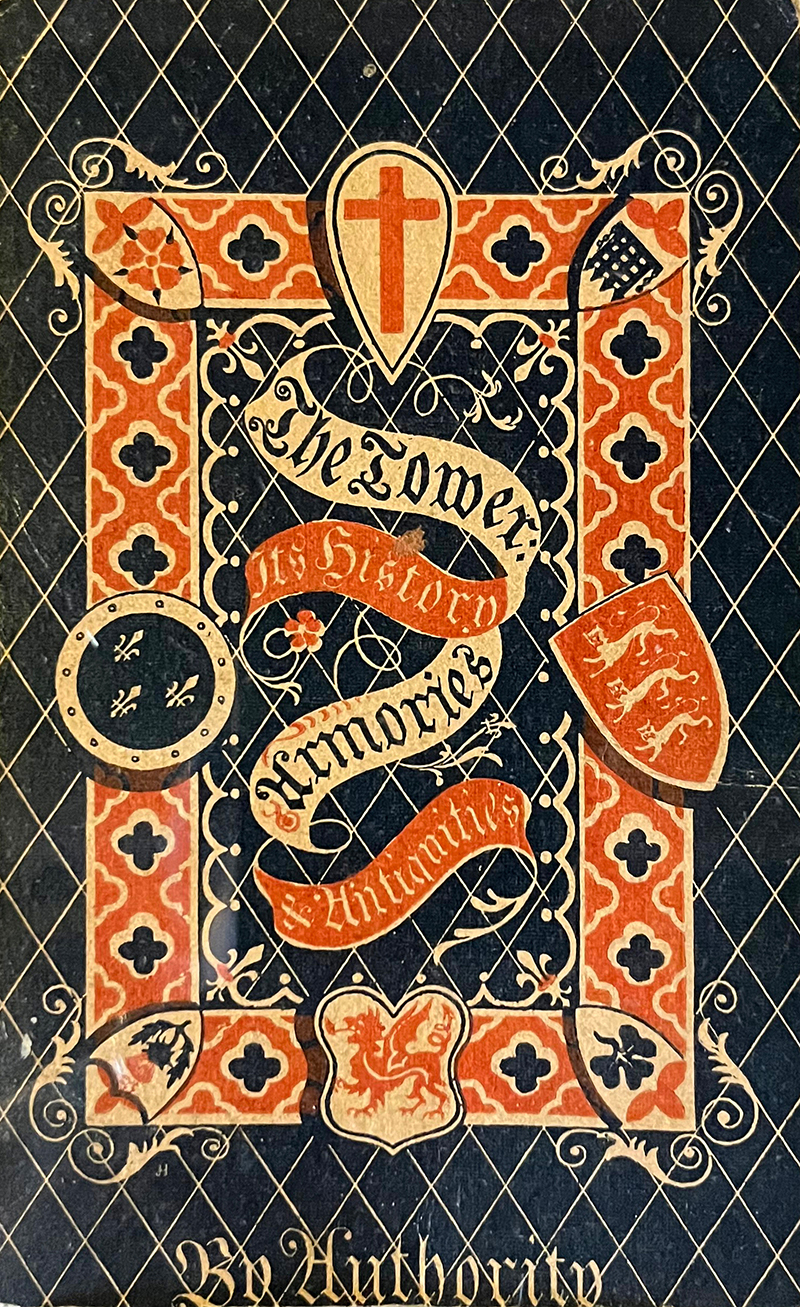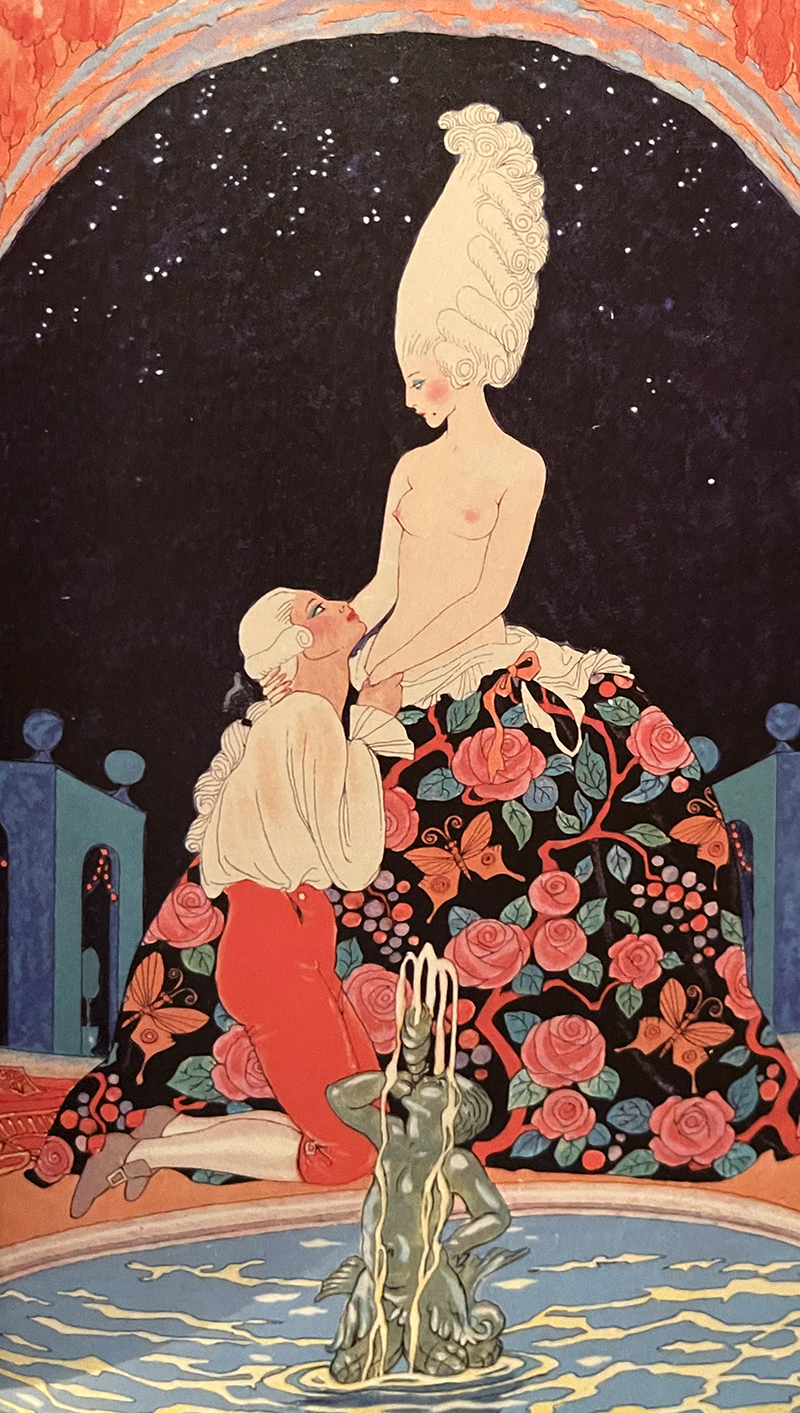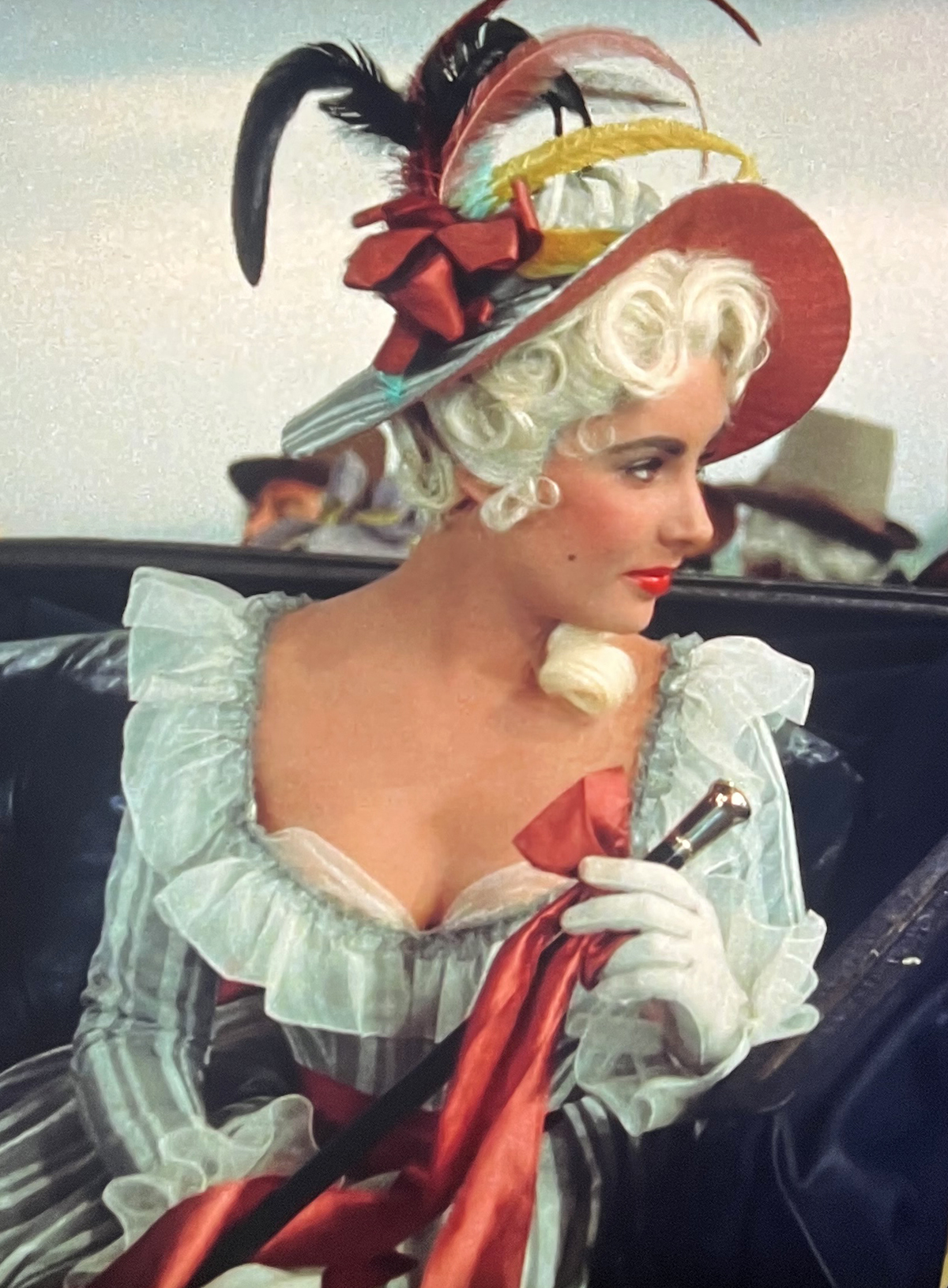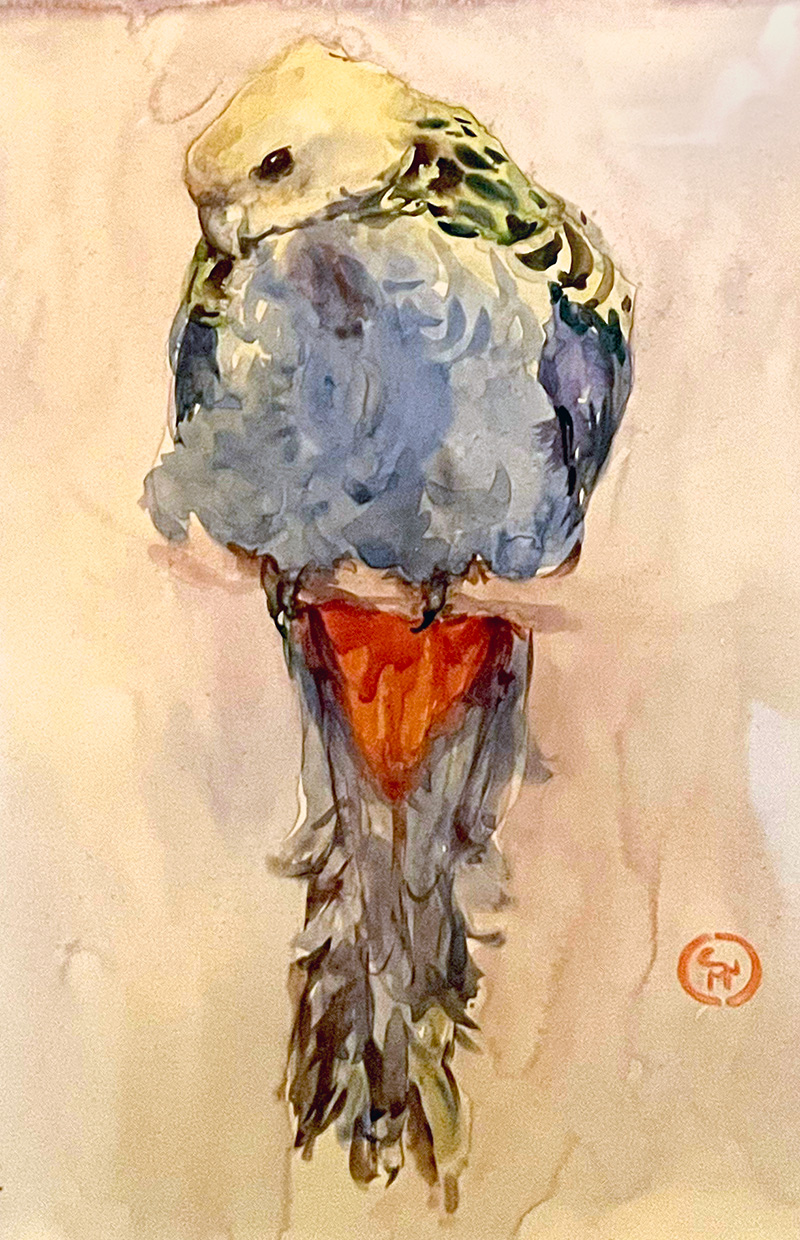
• Miscellany


    • Playboy’s original letterhead is a modernist classic, a bracing reminder of how important refined aesthetics were to Hefner’s enterprise and his notion of the good life. Via Letters of Note, here… a fascinating site that gathers up letters, postcards, telegrams, faxes, and memos of significance and interest. Hat tip @ettagirl, who’s feed on art & culture is well worth following.


    • Via Invisible Oranges, a classically-trained singer and voice teacher critiques five classic metal singers.

      Regarding Iron Maiden’s Bruce Dickinson: …Nothing but admiration for this singer…His diction is easily intelligible, regardless of range… an intensely rhythmic delivery… without losing legato and musical momentum, something a lot of classical singers struggle with, especially when interpreting the many staccato and accent markings that crowd scores by Bellini, Donizetti, etc.

      Ronnie James Dio? …another very fine singer… so naturally resonant. He performs with perfect legato, clear diction, and a consistent, organic vibrancy. He arranges his resonance space to create a shallow snarl without setting up any resistance for his breath. You can tell how healthy his delivery is from the way he moves in and out of brief moments of harmony with the other tracks with impeccable intonation. The whole piece is a must read… here.



    • Besides the classic, sharp, unfussy design of the cover, the photograph bears an uncanny resemblance to Robert McGinniscelebrated rendering of Audrey Hepburn for the poster of Breakfast at Tiffany’s, below.


    • I really dig the new New York State license plate. I spent the last week driving abound the better part of western NY and these tastefully classic looking beauts kept popping up. I love, in particular, the re-embrace of the state’s official colors. Uncluttered, universal, distinctive yet free of kitsch they’re everything good government design should be. Not perfect (the arc on Empire State is a bit janky) but still, aces.

      (Unfortunately, they need all the support they can get. Quite a kerfuffle has broken out in thier wake. Originally, adoption of the new design was mandatory, accompanied by a fee - folks went bananas. Once the design was introduced, they went double bananas, castigating the design as plain and ugly. Cue kerfuffle. Sigh.)


    • Black Sheep Antiques, Duanesburg, NY


    • Spotted this uncharacteristically swinging cover art for Anthony Powell’s The Military Philosophers - the ninth in the A Dance to the Music of Time series, a twelve novel cavalcade of mid-20th century English life, manners, culture, etc…


    • Short of the actual detection of extraterrestrial life few things would make me happier than the following news. 2010 is the year of “re-contact” with the mighty Man or Astroman! According to a transmission from MOAM-HQ, after 10 years of cryogenic storage they have have knocked the frost particles off and are properly thawed for live music experimentation. Read the rest of the transmission, here. And remember, fear not - they come as friends.
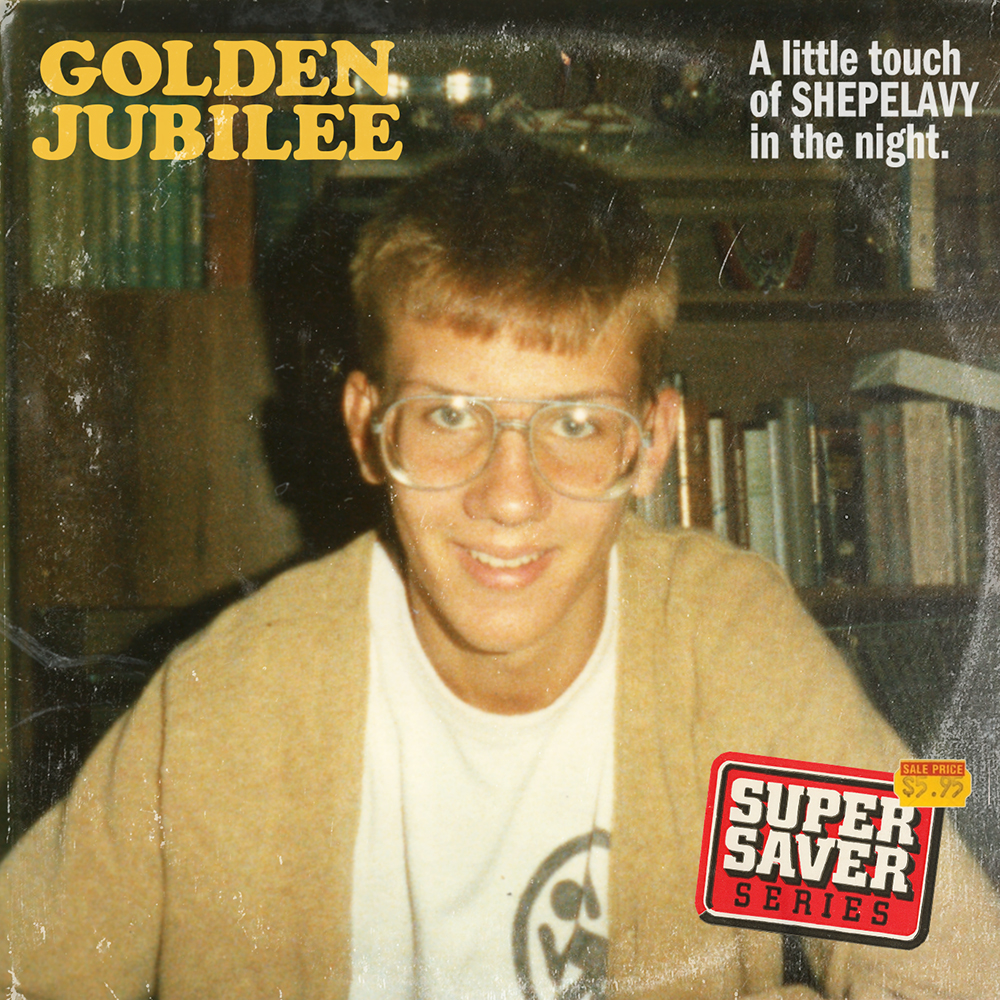


    • “Check out the eye popping, fantastic type and strikingly modern composition of this old Bob Seger record” is not something I could have imagined proclaiming in a million years, but seriously - check out the eye popping, fantastic type and strikingly modern composition of this old Bob Seger record (larger version, here). And, while you’re at it, take a few minutes to soak in this record’s centerpiece - the epic, wistful, road-weary melancholy of “Turn the Page.”


    • Absolutely astonishing ultra-high resolution photographs of birds by Andrew Zuckerman. A decent overview can be found here, while Zuckerman’s site, here, showcases even more. Also check out his earlier project, Creature, featuring a wider spectrum of wildlife. The detail is breathtaking, and the depth of personality projecting from the animals is downright eerie.


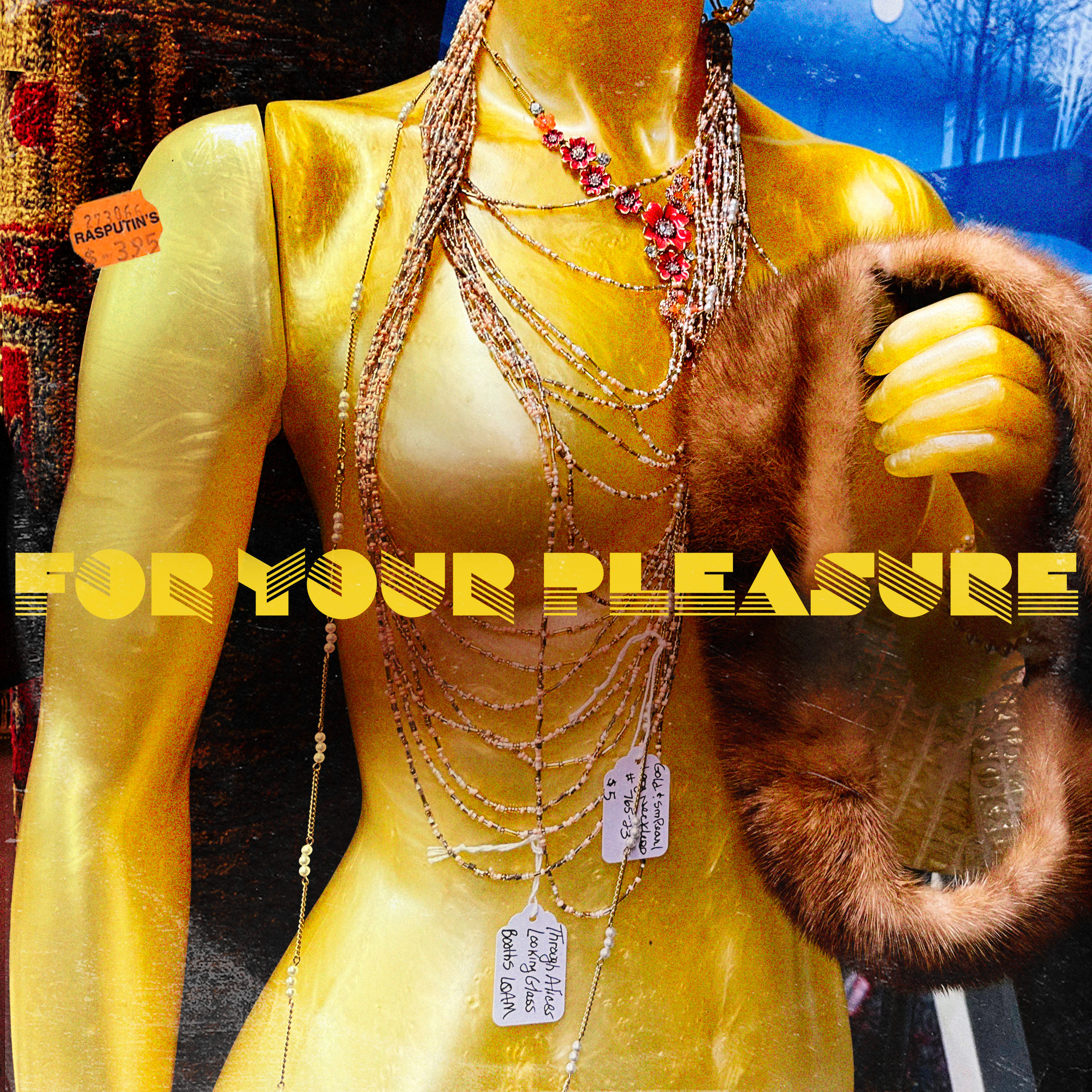
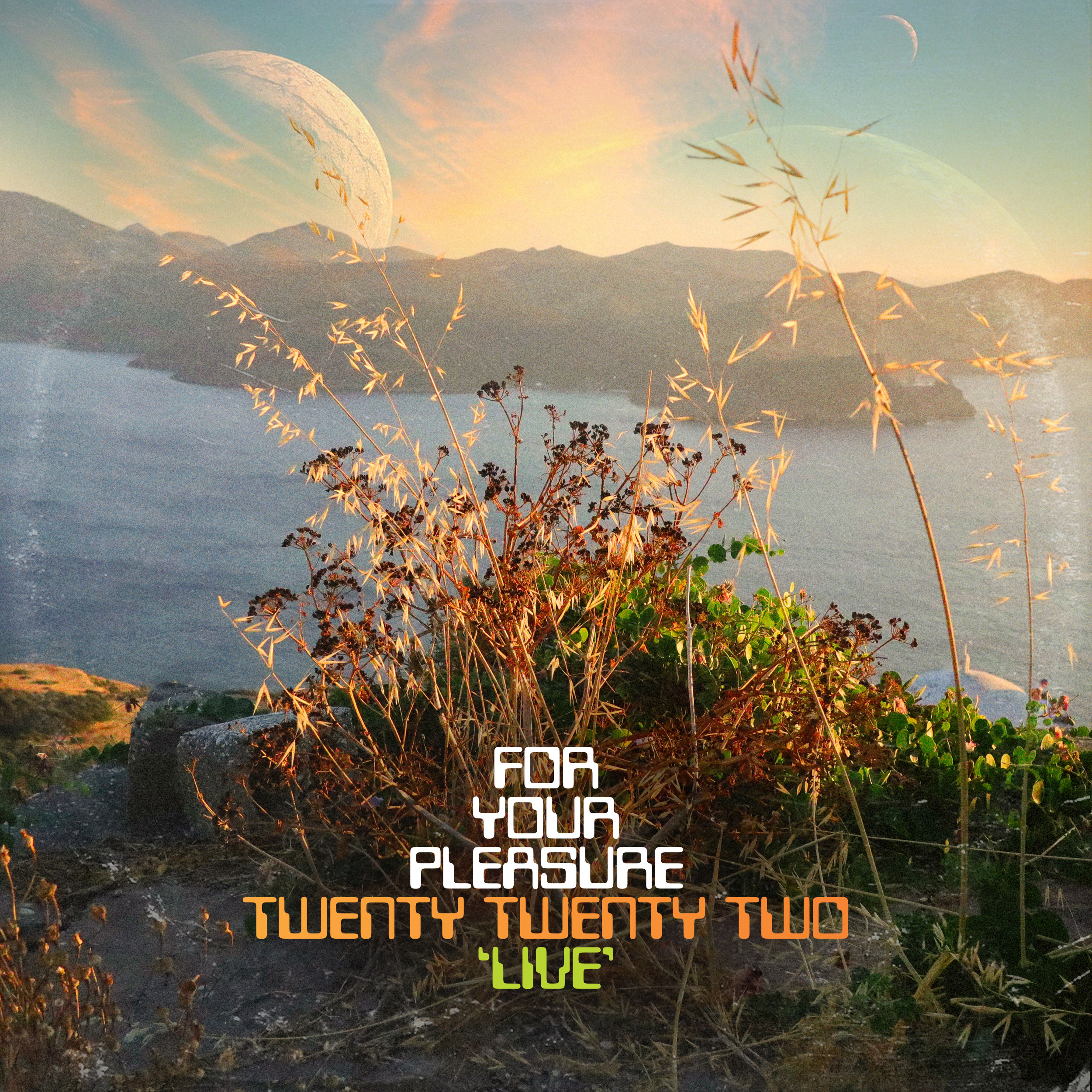
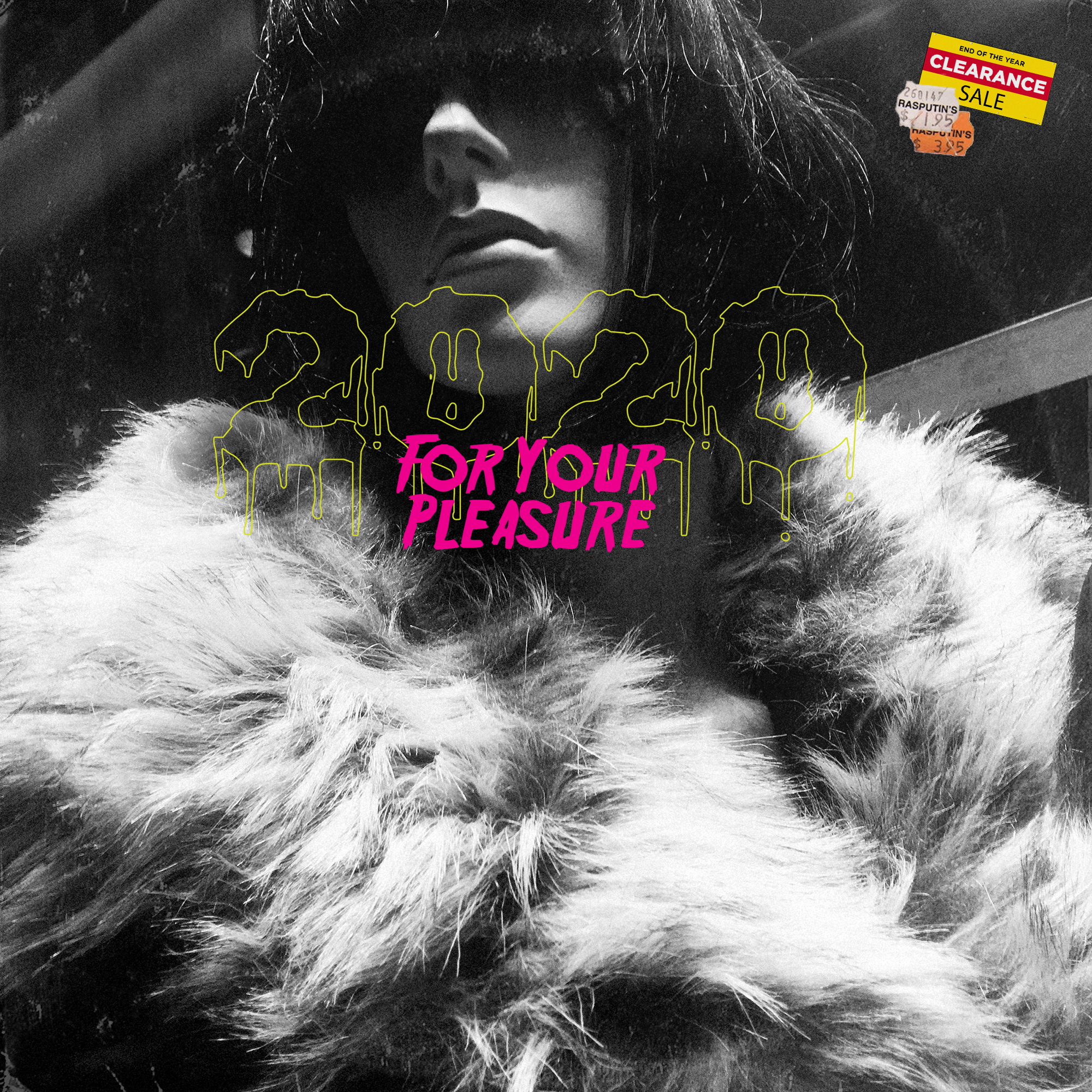
    • For your pleasure, an oddly charming, earnest, hippy-dippy photo recreation of Manet’s The Luncheon on the Grass from an old 1970 photography annual.


    • Gorgeous, elegant cover for Richard Avedon’s 1959 portrait book Observations. Rather than taking it in whole, it rewards a close scan so you can follow the way the letters slice, carve and cordon off patches of creamy white. Easy to appreciate, so hard to pull off.


    • A moment’s rest at the Rochester Institute of Technology, between two immense murals by Joseph Albers meant to evoke the equally brilliant Kodak logo. Aces.


    • Things the Ramones did want to do, things the Ramones did not want to do, things the Ramones did do, things the Ramones told you to do, things the Ramones warned you about doing, things the Ramones did not like, things the Ramones wondered about, and things the Ramones would do next time… over at Electra Luxx’s place, here.


    • Goodbye, and a hearty salute to Grafik Magazine, which folded a few days ago. This cover gallery, here, is a fitting testament to its accomplishment - a cavalcade of top notch design, and an ad-hoc primer to just about every style & mode in vogue since 2003.


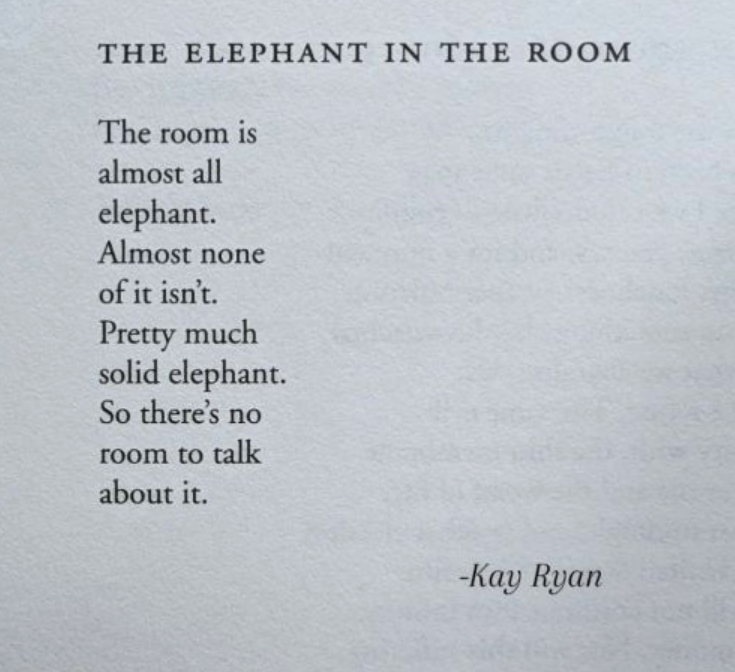
    • The first trickle
      of water down
      a dry ditch stretches
      like the paw
      of a cat, slightly
      tucked at the front,
      unambiguous
      about auguring
      wet. It may sink
      later but it hasn’t
      yet.
      – Kay Ryan, The Paw of a Cat

  • Further miscellany, odds & sods, etc., at the Tumblr annex, here.
Categories: Culture, Miscellany, Technology

Ok. That totally sucked. Here’s the skinny. The site got hacked early this week. Infected with bad code, malware, general hacker obnoxiousness. So the site was chloroformed, quarantined, and branded an “attack site” by Google… arrgh! A few frantic days later, with considerable help from my superb hosting service, pair.com, the WordPress community, and after a total reinstall of the blog, it’s all sorted. phew… Google has released the blog back into the general population…

The whole experience was galvanizing. First off, for anyone with any kind of a Internet presence – seriouslyget to know the details of your security, and make sure it’s tight. Slightly paranoid geek tight, not 70′s suburban bicycle chain tight. The weird thing, though, was dealing with Google. !#@!$@! It underscored how much power they have over our online lives and I’ll tell you, it was disconcerting. I’m going to post on this aspect of the magilla in a few days once I have my thoughts together, but it had a real Soviet Logan’s Run Smiling Robot Takeover Westworld kinda feeling… more soon.

Welcome back.

Categories: > Portfolio: Photography, Culture

A preview of a few photographs for my upcoming essay on shaving in issue 7 of Uppercase Magazine. It will be out this fall. They were shot mostly at John the Barbers on Wharton & 13th Street in South Philadelphia. The place is a treasure and a visit a privilege. The article features, along with my observations on the genteel art of shaving, walk-ons by Virna Lisi, John Waters, and Robert Goulet, a salute to the Gillette Sensor and Barbasol, praise for the French, a raspberry at ESPN, a brace of fetching pin-ups, and ends where these pictures began, at John the Barbers. Oh, and Uppercase Magazine? Again, with lapel-grabbing enthusiasm, here, and here.

Categories: Culture, Music

Sad news. Chris Dedrick, the lead singer/songwriter for ’60s cult favorite lite-psych group the Free Design died last Friday… One of the great critical faves/commercial flop stories in rock, their complex harmonies, deceptively simple melodies, orchestral arrangements were hugely influential for many retro-inclined indie bands, most notably Stereolab.

Their first album, Kites are Fun, produced by space-age pop maestro Enoch Light, is a classic, and contains their finest single moment – “The Proper Ornaments.” The song is a rare thing indeed – a flower-power indictment of shallow consumerism and suburban detachment that actually convinces – with quietly devastating power:

There’s your brand new car, sir, here’s your hat and gloves
There’s your pretty wife, sir, whom you almost love
There’s your color TV set and your impressive pad
There’s your little baby girl you’re almost glad you had

Such a pretty dress, miss, such a graceful walk
Bubbling femininity, authoritative talk
There’s your man he’s prominent; treats you like a queen
All your little secrets kept, your reputations clean
The proper ornaments of life.

It’s all about the ominous “almost…” I’ve always thought it should have been the opening theme to Mad Men - it concentrates the entire existential drama of Don Draper into just under three minutes. Listen, below. More info in their career and records here.

Free Design: Proper Ornaments [download]

Audio clip: Adobe Flash Player (version 9 or above) is required to play this audio clip. Download the latest version here. You also need to have JavaScript enabled in your browser.

Categories: Culture, Design, Fashion

In their radness, these covers speak for themselves. What’s striking is that what they had to say was once considered, while sophisticated, utterly mainstream. Oh well… just another thing to blame on the Beatles I guess…

Categories: Art, Culture

Spotted this at a stodgy antique mall in Ballston Spa, New York… Rarely have any of Norman Rockwell’s paintings struck me as powerfully as this one, entitled “Summer Stock”

Thing is, I have acres of respect for the considerable chops of Norman Rockwell, but his obsession with capturing and venerating everyday life often leads to him to over-compensate. A strained exaggeration creeps in, cracking the integrity of his scenes, exposing them to gusts of corniness.

Here, everything gels… As the young actress applies her lipstick she is, for the moment, utterly divorced from the opulent costume she inhabits – a separation underscored by the abrupt shift between her strawberry blond hair and the bight brick red wig atop it. The power of this painting lies in locating this ordinary moment underneath and amidst the artifice. This is Rockwell’s wholesomeness at its most subtle – theater, and by extension, art, letting down its guard to remind us of its essential humanity.

Categories: Culture, Fashion

Barbados teams with Darlene Swimwear, circa 1966, to make a level-headed, brass-tacks case for increased tourism to this picturesque island nation. Strange thing is, on closer reading, the text is a little fractured, off kilter -  taking on, nearly, the cadence of verse. So here, in the spirit of summer, for your pleasure, a bit of found doggerel:

DO DO BARBADOS

Darlene does two piece for the show
at Silver Sands Beach.
Beautiful Ban-Lon
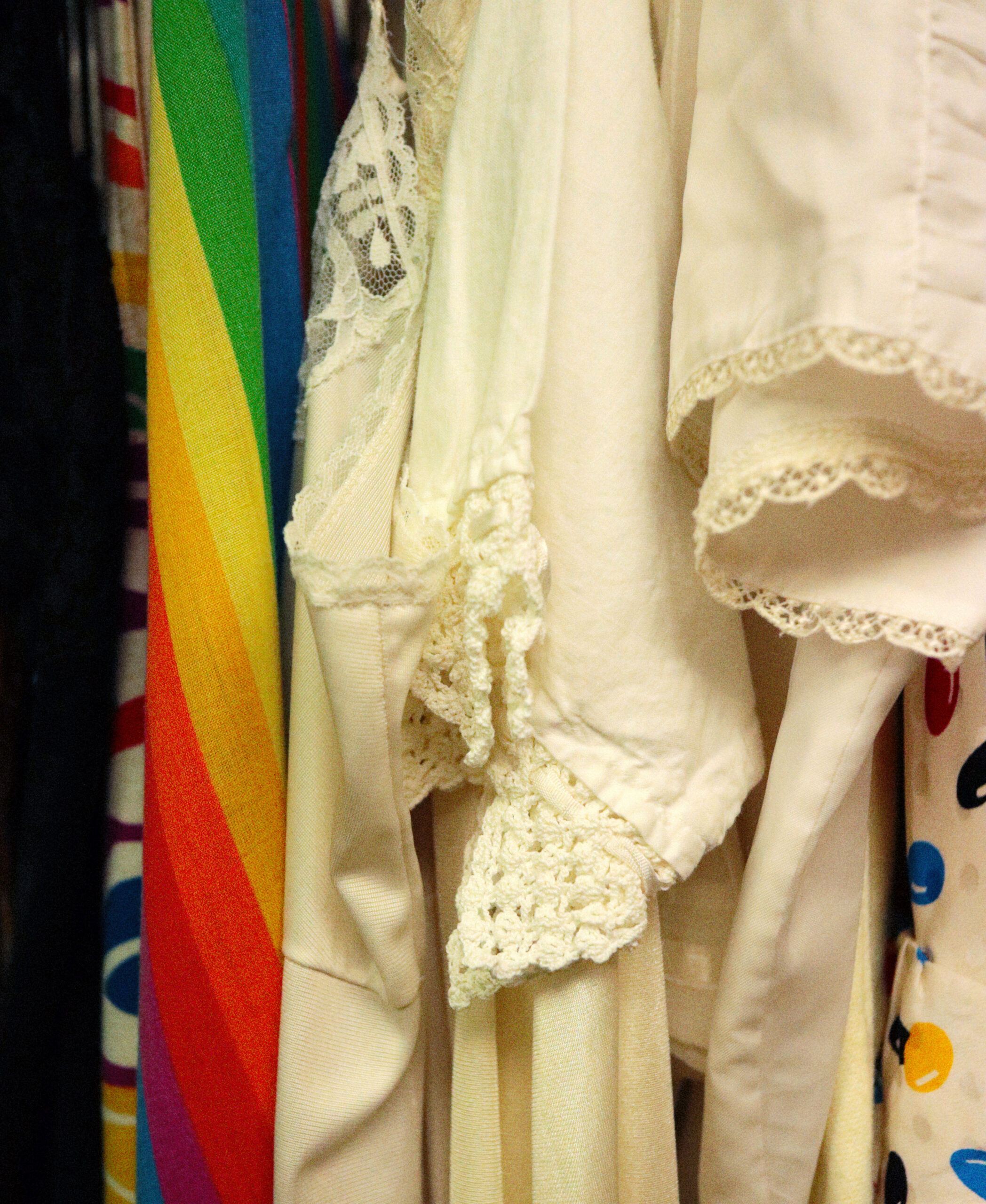
with crochet trim and boy leg.

Baby pink,
Lemon,
Turquoise,
Black.

Sizes 8 to 16

Do Do Barbados
Sun ceilinged, sea surrounded.
West Indian place
of happy exile.

Fly BWIA
the airline of the Caribbean

A round of happy smiles
pipes you aboard.
In little less than five friendly hours
you start your island affair
with the idol of the West Indies.

For flight information see your travel agent.

Categories: Culture, Movies

Thou shalt not show the law defeated, or the inside of a thigh, or lace lingerie, or a dead man, or narcotics, or drinking, or an exposed bosom, gambling, a pointing gun, or a tommy gun. This 1940′s photo stacks all ten cardinal sins forbidden at the time by movie studio self-censorship regulations into a ziggurat of sin. Aces.

Categories: Culture, Design, Music

Sometimes, self evident magnificence needs no further elaboration. This is one of those times. Curious? More info here

Categories: Culture, Design

I was upstate recently, visiting family HQ, and while combing though the bookshelves I found these beautiful music sheets for Scott Joplin’s ragtime classic The Entertainer (you know, the opening credits to “The Sting” – and the infernal refrain from a million confounded ice cream trucks…) I especially love the sheer Apple ][-ishness of the Dan Coates version. And it does get me thinking about how much great 70′s design I must have marinated in at the time, scarcely aware. (Incidentally, it also occurs to me now that my piano teacher at the time had a white long haired cat that looked exactly like Ernst Stavro Blofeld’s cat and that during instruction, it too occasionally sat in his lap. Hurm… go figure.)

Categories: Art, Culture, Movies

A lot will be written, understandably, about Dennis Hopper’s indelible wild-eyed performances as an actor and his stature as a cultural iconoclast. More will be written, deservedly, about his gifts as a director (his 1980′s neo-noir the Hot Spot, with Jennifer Connelly and Don Johnson is a personal favorite…) Too little, unfortunately, will be written about him as an artist – as a photographer, painter, and patron.

Hopper, for all of his hippie-savage persona (and dissolute habits), was a man of considerable aesthetic gifts and a genuine passion for art (instilled in him, in that only-in-Hollywood-sorta-way, by non other than Vincent Price)

He found his home amidst the Pop Art scene, beginning in the early 60′s. He became a friend, collector and patron to Jasper Johns, James Rosenquist , Robert Rauschenberg , and especially, Ed Ruscha. In turn, they inspired Hopper in his own photography and painting – and over the years he built up a respectable oeuvre of solid, earnest work in the genre.

His paintings are the work, in the best sense, of a gifted amateur – accomplished, passionate, but with visible effort and little transcendence. His photographs, on the other hand, are far more distinguished – characterized by striking graphic compositions, technical adeptness, and a young Jane Fonda. That is, Hopper had an eye & chops, yes, but he was also, um… Dennis Hopper. As a result the photography is goosed by the presence of his fellow famous young and restless – It’s like Ruscha or William Eggleston doing Hollywood candids.

Here’s the thing though – To view Hopper as derivative is to miss what makes him matter as an artist. Genres and styles are defined by a handful of brilliant outliers, driven by a primordial vision that guides their craft. They do the heavy work of clearing spaces in the cultural landscape. The vast majority of us who want a passionate relationship with art inhabit these spaces, either as viewers, artists, critics, or patrons. Hopper’s work, for me, is a testament to that dynamic – not to defining art, as much as living within it.

Categories: Culture, Design, Technology

Glockenspiels, graphic patterns on Pyrex bakeware, the Work in Progress Society, cardboard sculpture, and foxes! Fine company for an article I wrote for the fifth issue of Uppercase Magazine – a visual survey of the design and aesthetics of DuPont’s marketing of synthetic fabrics from the 1920’s to the early 80’s. The history of the development of synthetic fabrics is a fascinating nexus of science, industry, design, advertising, fashion and culture. In turn, the same goes for focusing specifically on the promotion of the fabrics themselves. It is a rich core sample of prevailing trends in design, typography, advertising illustration and photography, etc over the decades…

Uppercase Magazine? Let me say again – The clue to what distinguishes Uppercase Magazine lies in its motto “A magazine for the creative and curious”  It’s the “curious” – It accounts for the joyful, inclusive sense of collaboration and sharing that pervades the whole shebang. The magazine reads like a conversation between like-minded folk riffing on the impossibly cool thing they’ve drawn, thought, photographed, collected, discovered, etc. No lofty curatorial snobbishness or hipster veneration of the mindlessly shocking or willfully ugly for these cats – just a democratic spirit and a celebration of beautiful things.

The magazine, as a project and physical object, is the very embodiment of what it celebrates.  It works on a collaborative publishing model, and is designed and produced with great care and craft. Feels great in the hand. The covers so far have been stunning. The whole Uppercase venture, gallery, books, blog etc… seem of all of a piece. Well worth it. Explore here. Subscribe! Subscribe!

Categories: Art, Books, Culture, The Anxiety of Influence

These plates are from an edition of Ivan Kotlyarevsky’s 1798 poem Eneida, a ribald retelling of Virgil’s Aeneid. Kotlyarevsky transposed Aeneas, the Trojans, and Greek mythology into the folklore of Ukrainian Cossacks. It is among the first major works written in Ukrainian, and is a cornerstone of Ukraine’s national literature. Wonderfully, it also defines the very notion of a burlesque – vulgarizing lofty notions like love, family, faith and battle, feigning seriousness in the face of absurdity, and is packed to the gills with slapstick humor, comic skits, bawdy songs, and, natch, healthy portions of friskiness…

This particular version, printed in 1969, in Kiev, Ukraine, is, simply stated, one of the most beautifully designed, illustrated, typeset and produced books I’ve ever seen. Sturdy and stout, clad in a satisfyingly course gray canvas, it opens onto a corker of a title page. From the swashbuckling script of the authors name, the elemental block-y-ness of the title, and the illustration of a muscular and languid Cossack/Trojan, it’s a bravura opening gesture. From there, graphically, the book never flags – block after block of typeset verse on heavy cream paper. But the heart of the book lies in the illustrations, by A. Bazylevych, whose style is a deft hybrid of wood block engravings, thick-lined expressive cartooning, and abstract color blocks.

My recollection of the book from childhood is profoundly visceral. I can recall my father reading vignettes that swirled thrillingly in a noggin already stuffed with mythological adventures. But it’s the illustrations that left an indelible impression. It’s a phantasmagoria of soldiers and sieges, gods and devils, maidens and crones, battles and scraps, feasts and revelries, a cosmos of melodrama. Looking at them again after a span of decades, my recollection is immediate and electric – what’s vital in art, in fiction, and in life seems to spring forth in an exuberant, lusty, unruly parade.

Categories: Culture, Design

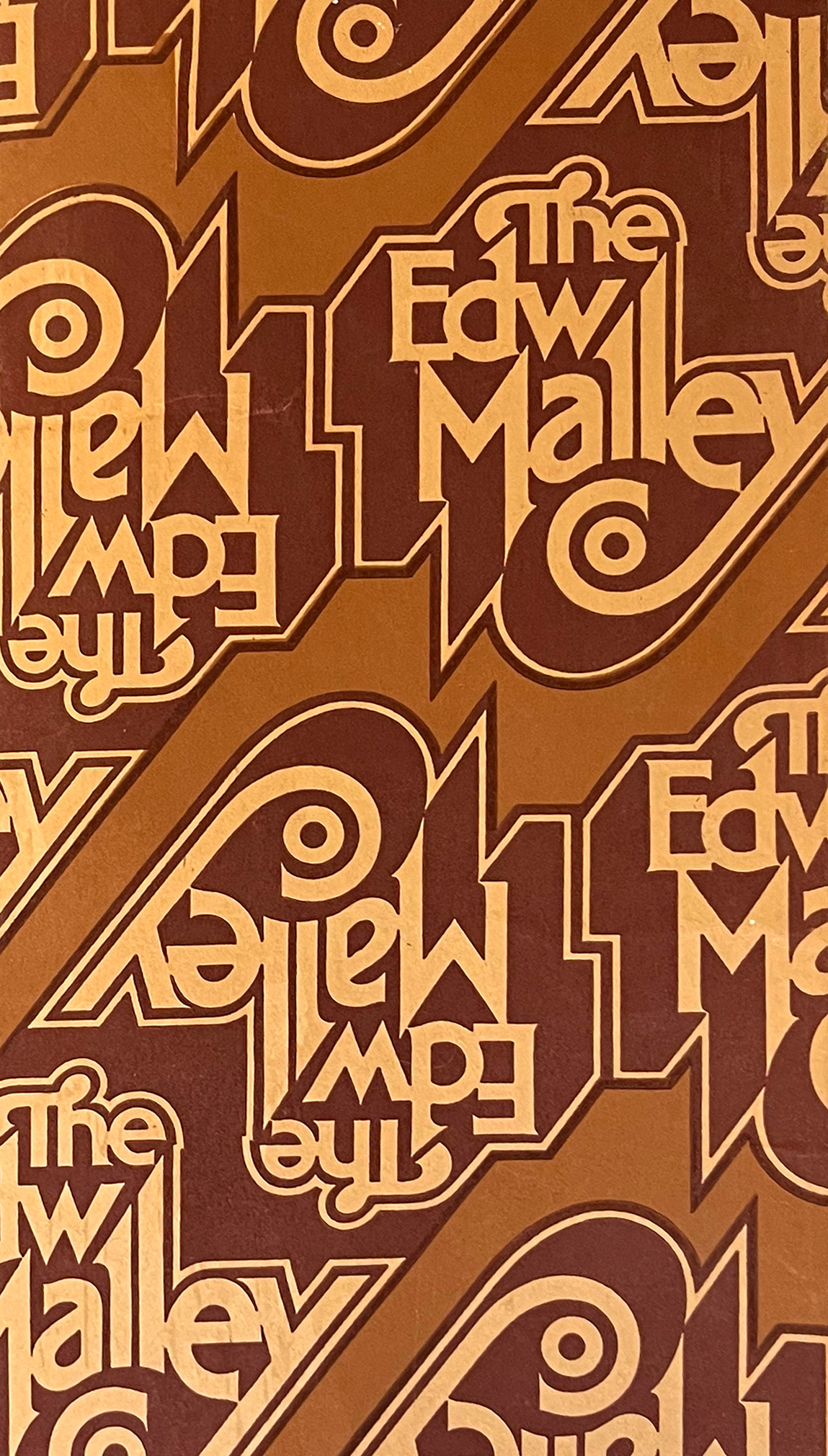
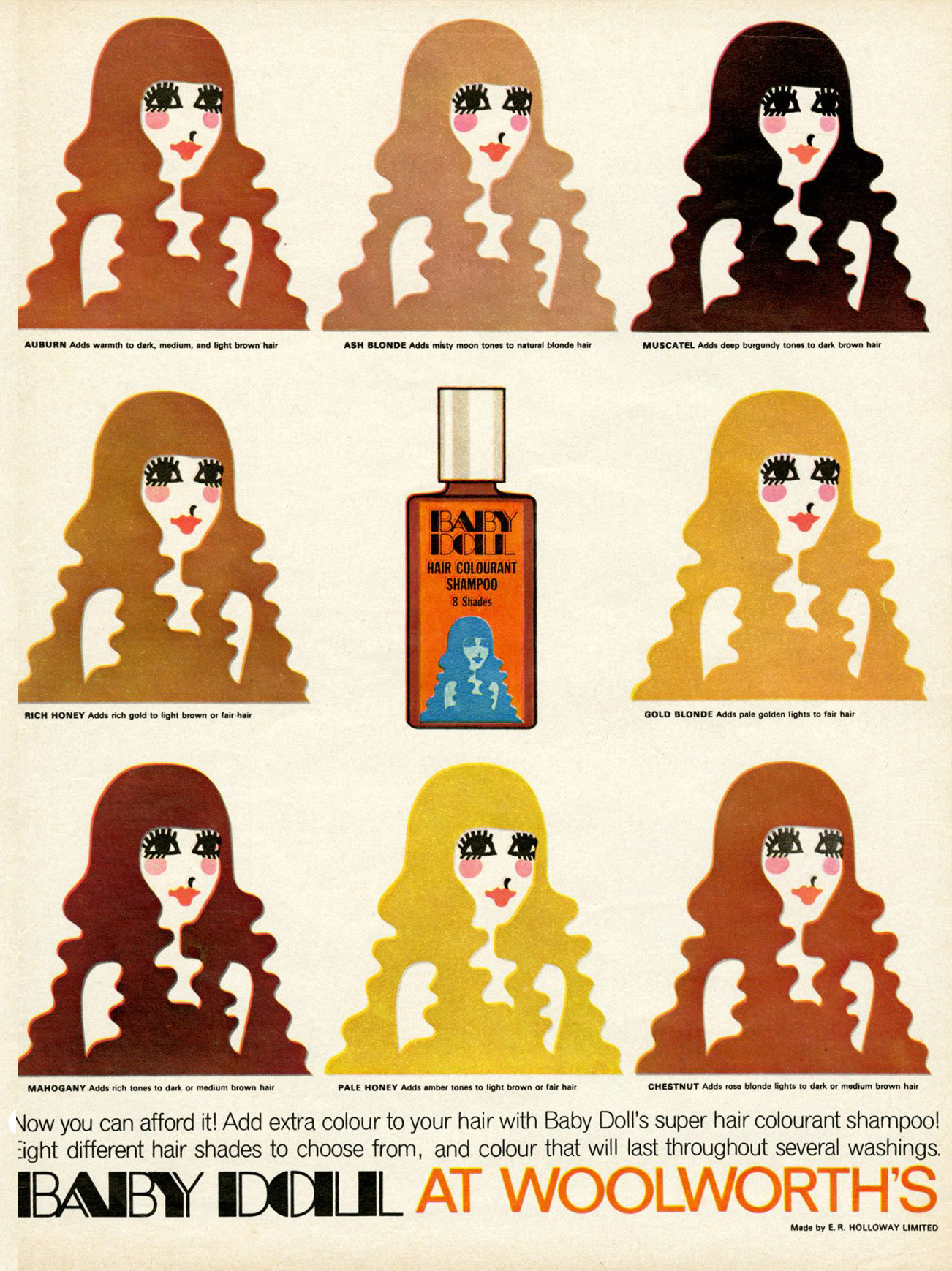
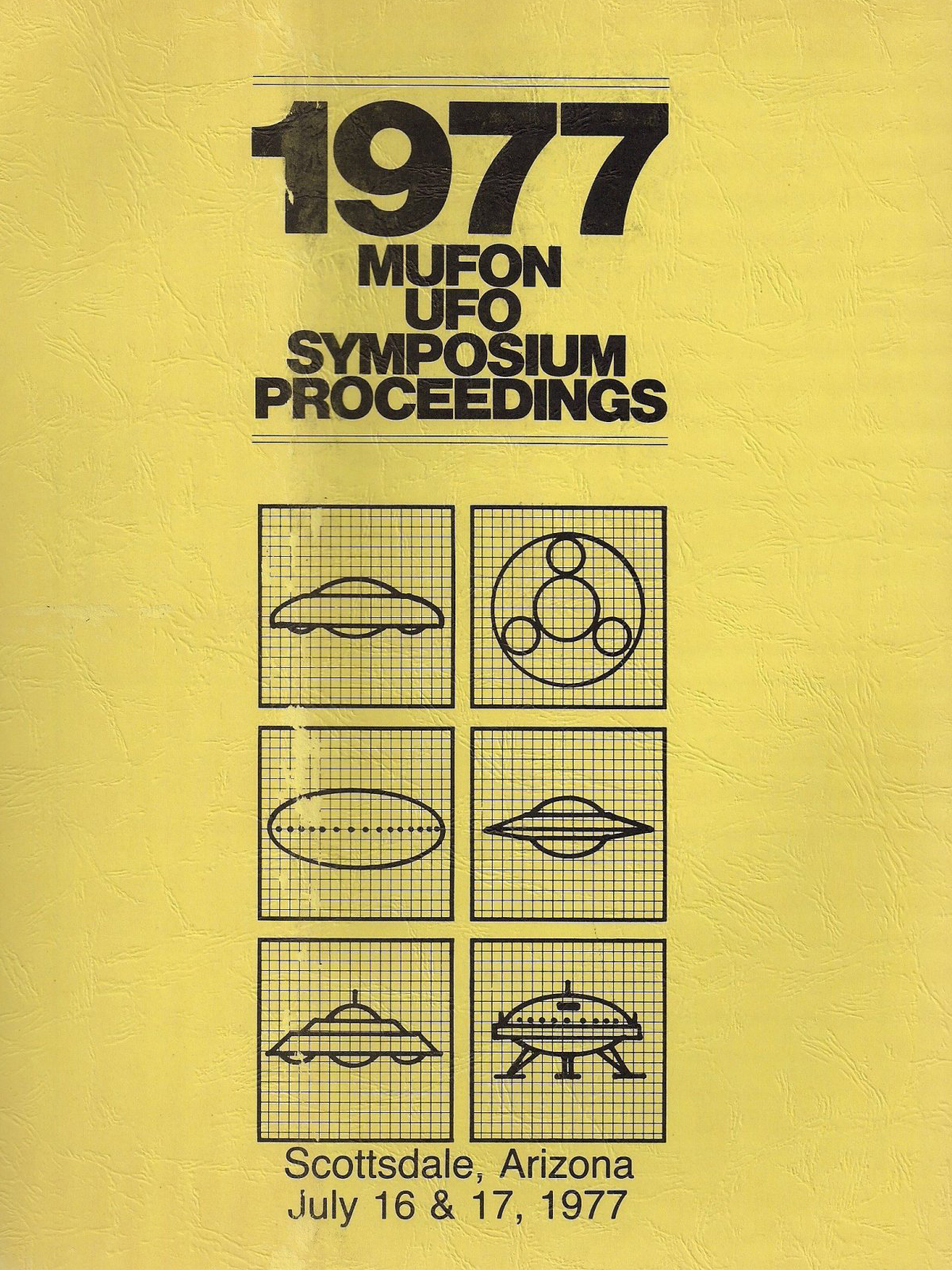
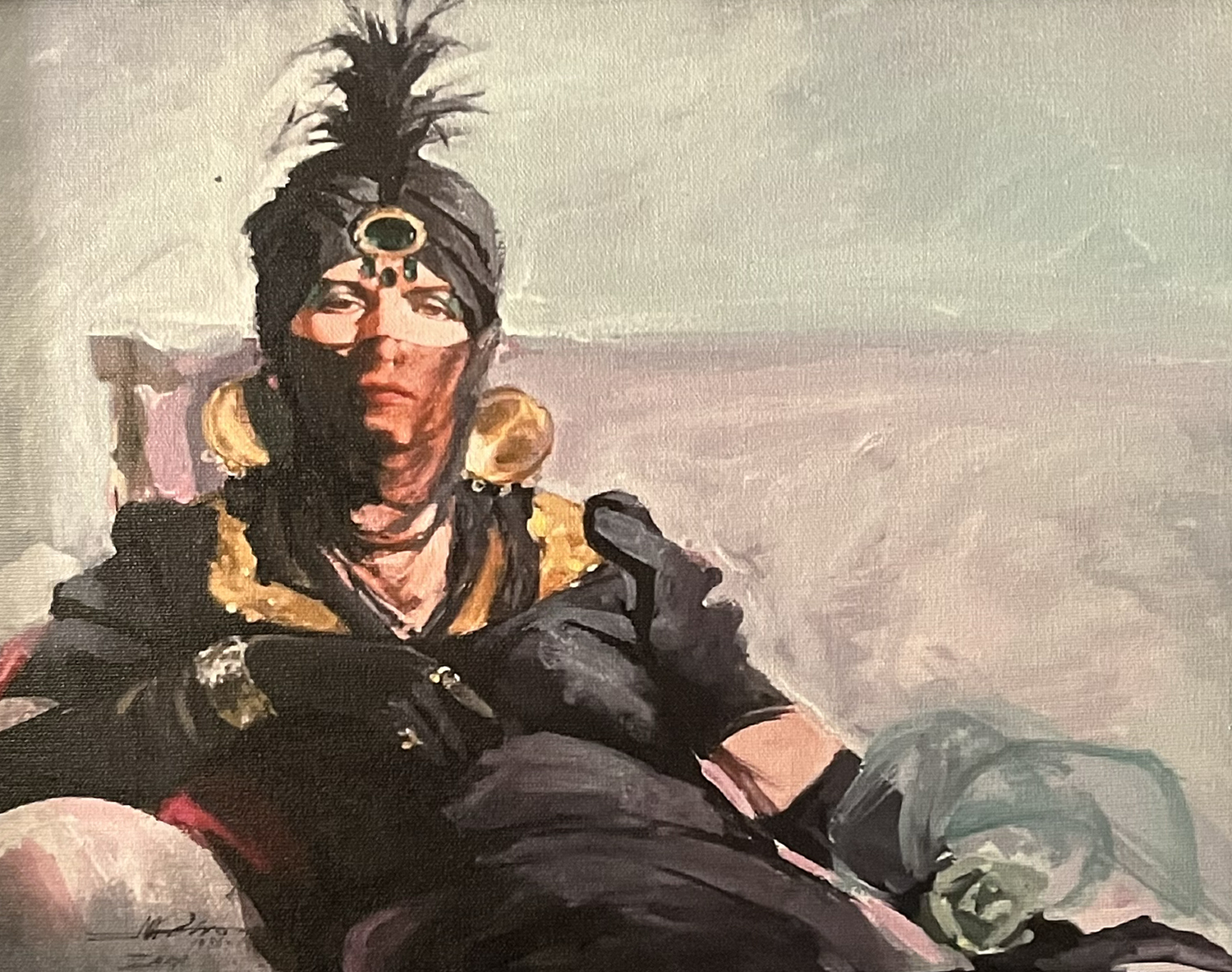
Near as I can figure, the only way to explain the frequency and quality of 70′s designs that kept turning up as I was trawling the antique circuit of Bethany Beach, Delaware this past weekend is this…. Someone in my vicinity with wizardly control of time was struggling mightily to conjure a temporal shift back to 1978. Billy Joel’s wretched My Life crackled through the ectoplasm as they wrestled to control their magic. Occasionally time would tear, and when it did, prime pieces of Carter era ephemera would slip through the rift…

Categories: Books, Culture

“Stateless by birth, British by choice. Multilingual. Expert at judo, karate, gem carving, smuggling, and exotic espionage techniques… Former master criminal who retired with well over a half a million sterling. Hobby: Danger… The worlds most dazzling female secret agent… Modesty Blaise.”

Blaise is the the sovereign princess of Spy-Fi, a shapely Venn diagram of the finest aspects of Flint, Helm, Palmer, and Bond. Whether in va-va-voom-ish comics or in expertly overheated novels, she was a triumph, as the New York Times put it, of the “hyperbolic imagination” of Peter O’Donnell, who died this weekend…

The thing is, the “hyperbolic imagination” is among the hardest sensibilities to wield. Kitsch, absurdity, sentimentality, schmaltz, and general idiocy lie on all sides of its narrow beam. But when expertly trained, nothing can match its light and heat – and therein lies the true measure of O’Donnell’s accomplishment and as well as the weight of his absence.

(above, pulp maestro Bob McGinnis‘s covers for the first three Modesty Blaise novels, plus the first edition of the debut)

Categories: Art, Books, Culture

In weighing the loss of Frank Frazetta I think about what I always think about when I think about Frazetta – Caravaggio.

That is, he, like Caravaggio, took the fables and fantasies he passionately depicted just seriously enough, a precise ratio of rigor and rapture. It’s why the work is so powerful, so definitive – Frazetta painted with just enough supple realism, while conjuring just enough alien atmosphere, that he imbued the fantastic with the weight of fact.

(above, Frazetta’s covers for Edgar Rice Burroughs’ John Carter of Mars series)

Categories: Culture, Design, Music

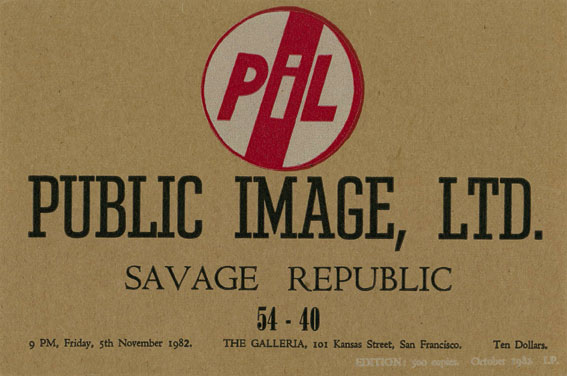
In retrospect, the album cover designs of the early releases by Public Image Limited constitute one hell of a brilliant run. By his own admission John Lydon’s music has been basically a big conceptual media prank, playing with, subverting, and looting the whole notion of the public image. Therefore it’s no surprise that packaging and design figured so heavily in his work from the very beginning.

Arguably British tabloids were the closest things in the cultural landscape, both aesthetically and attitudinally, to punk rock, so it was fitting that Never Mind The Bollocks was designed like a cross between a tabloid and a ransom note (which, incidentally is an apt description of the record itself.)

With Public Image Limited, those influences and themes became more sophisticated and overt. The mock slick magazine design of the debut was an ironic riposte to the expected image of Lydon as a young savage. This was followed by the unprecedented, and justly celebrated, configuration of 1980′s Metal Box – 3 12inch singles in a, um, metal box. After that came the aggressively sexy glamorous cover for 1981′s Flowers of Romance. Among other things, it strikingly prefigures the the snapshot aesthetic of current fashion and nightlife photographers like Nikola Tamindzic and, ugh, that skeezy doofus Terry Richardson. The sleeper of the bunch is the cover of 1983′s cynically bland cash-in Live in Tokyo – shot and composed perfectly. Dig the way the commercial riot of neon signage converges and perfectly frames the iconic PiL logo, interrupted only briefly by Lydon’s fab shiny suit.

What ties it all together is the same tension that animates the music – a constant flickering between art and commerce, sincerity and fakery, and, ultimately, what is false and worthless and what is true and enduring.

Public Image Limited: Public Image: [download]

Audio clip: Adobe Flash Player (version 9 or above) is required to play this audio clip. Download the latest version here. You also need to have JavaScript enabled in your browser.


Public Image Limited:
Careering (astonishing BBC version): [download]

Audio clip: Adobe Flash Player (version 9 or above) is required to play this audio clip. Download the latest version here. You also need to have JavaScript enabled in your browser.

Categories: Books, Culture, Fashion

From 1915 till about 1940 or so, the Brinkley Girl cut a feverish swath through the cultural imagination. As drawn by illustrator Nell Brinkley, she was like the Gibson Girl on an absinthe bender – exuberant line, riots of splashy color, and buckets of joie de vivre. Girls obsessed over her adventures, hairstyles and fashion shifted in her wake, and she was feted in songs, films and theater.

Nell Brinkley’s specialty was the episodic themed series. Golden Eyes and Her Hero followed our heroine’s exploits and derring-do during World War One. Betty and Billy and Their Love Through the Ages, my personal favorite, featured a besotted glamorous couple in various romantic historical vignettes – intrigue in Southern plantation society, among Medieval troubadours, Phoenician swashbucklers, etc… The format begins to open up in the 20′s with sophisticated frothy flapper larks like the Fortunes of Flossie.

Fantagraphics Book’s wonderful new survey, The Brinkley Girls, collects these series and more, along with a fascinating introduction by the book’s editor, Trina Robbins. Aces.

Categories: > Portfolio: Photography, Culture

Hooray! The weather has turned, spring sprung, etc… which means, once again, Weber’s is on the menu! Not just an orange Doo Wop-style car hop with a mechanized retro asterisk sign serving simple burgers and home made root beer, but a roadside oasis and an enduring monument to warm weather good times. Route 38 in Cherry Hill, in lovely southern New Jersey.

(These photos were shot a couple of years ago with the Savoy, below, a corker of a fixed focus medium format plastic toy camera.)